
Many dog owners enjoy giving their pets leftover bones as a treat, especially after a meal like roasted ham. It feels natural, and dogs often seem excited by the smell and taste. However, not all bones are safe; ham bones can pose certain risks. Understanding how these bones affect your dog is essential before offering them as a snack.
What Makes Ham Bones Different from Other Bones?
Ham bones usually come from cooked pork, and the cooking process changes their structure. When bones are cooked at high temperatures, they become brittle and more likely to splinter. These sharp fragments can break off easily when a dog chews on them. A splintered bone can harm your dog’s mouth, throat, or even internal organs.
Raw bones are sometimes considered safer because they are less brittle. Still, ham bones often come salted or smoked, which adds another layer of concern. Salt and preservatives can upset your dog’s stomach or lead to dehydration if consumed in large amounts. Dogs do not process these additives the same way humans do.
Size matters too. A small ham bone may be easy for a dog to swallow whole, creating a choking hazard. Larger bones can still crack under pressure and form dangerous edges. Even strong chewers are not immune to these risks.
Health Risks Linked to Feeding Ham Bones
There are several health risks associated with giving ham bones to dogs, and some can become serious very quickly. If you want detailed guidance from a trusted pet nutrition source, you can read more about are ham bones ok for dogs to better understand expert advice. Learning from reliable sources helps you make safer choices for your pet.
One of the most common problems is choking. A bone fragment can get stuck in the throat, making it hard for your dog to breathe. This can happen in seconds. Immediate action is often required to prevent a life-threatening situation.
Internal injuries are another major concern. When a sharp piece travels through the digestive system, it can puncture the stomach or intestines. This may lead to severe pain, infection, and even surgery. The risk increases if the bone breaks into multiple pieces.
Digestive blockage is also possible. If a dog swallows a large chunk of bone, it may get stuck in the intestines. This can stop food from passing through and cause vomiting, loss of appetite, and discomfort. In many cases, surgery is needed to remove the blockage.
Salt content can also cause problems. Ham is often cured with high levels of sodium, and bones can carry that salt. Too much sodium can lead to excessive thirst, frequent urination, or even sodium poisoning in extreme cases. Keep this in mind.
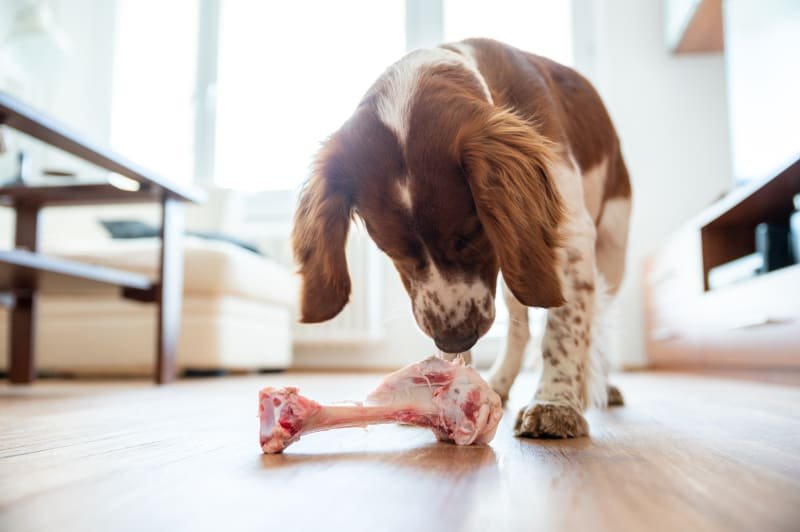
Are There Any Safe Ways to Give Bones to Dogs?
Some dog owners still prefer to give bones, but they choose safer options. Raw bones from trusted sources are sometimes used because they are less likely to splinter. Even then, supervision is necessary at all times. Never leave your dog alone with a bone.
If you decide to offer a bone, make sure it is large enough that your dog cannot swallow it whole. A bone at least twice the size of your dog’s mouth is a common guideline. This reduces choking risk. It does not remove it completely.
Limit chewing sessions to 10-15 minutes. Long chewing sessions can wear down teeth or increase the chance of breaking the bone into sharp pieces. Take the bone away after a short time. Safety first.
Watch for warning signs while your dog is chewing. These include aggressive chewing, trying to swallow large chunks, or sudden discomfort. If you notice any of these behaviors, remove the bone immediately. Quick action can prevent injury.
Many veterinarians suggest safer alternatives instead of real bones. These include specially designed chew toys or dental treats that are made for dogs. They provide a similar experience without the same level of risk.
Better Alternatives to Ham Bones for Dogs
There are many safer treats that can satisfy your dog’s urge to chew. These options are designed with your dog’s safety in mind and are widely available in pet stores. Choosing the right one depends on your dog’s size, age, and chewing habits. Variety helps keep your dog interested.
Here are some popular alternatives:
– Rubber chew toys that are durable and flexible
– Nylon bones made for strong chewers
– Dental chews that help clean teeth while chewing
– Natural treats like dried sweet potato slices
– Rope toys for interactive chewing and play
Each option offers a different texture and level of resistance. Some dogs prefer softer materials, while others enjoy tougher items. Try a few and see what works best. Always check for wear and tear.
Avoid giving items that can break into sharp pieces or are too small. Regular inspection is important. Replace worn-out toys before they become dangerous. Small steps can make a big difference.
Some dogs just love chewing. Others don’t.
Providing safe options keeps your dog happy and reduces the risk of injury, allowing you to enjoy peace of mind while your pet stays engaged and satisfied with their chewing habits.
Ham bHam bones may seem natural, but they pose risks to your dog’s health. Choose safer alternatives and stay informed to protect your pet while still providing enjoyable chewing experiences.