
One of the most common conversations I have with new dog owners happens sometime between a puppy’s fourth and eighth month of life. A client walks into the exam room looking slightly exhausted and says something like, “Doctor, my dog was perfect two months ago… and now he’s acting like a teenager.”
As a veterinarian who’s been practicing small-animal medicine for over a decade, I can tell you they’re not imagining things. Dogs really do go through a version of puberty, and it can change their behavior almost overnight. Understanding when it happens—and what’s normal—can save owners a lot of frustration.
The Typical Age Dogs Hit Puberty
In most dogs, puberty begins somewhere between 6 and 12 months of age, though the exact timing varies quite a bit depending on the dog’s size and breed.
In general, I’ve seen this pattern repeatedly in my practice:
- Small breeds often reach puberty around 5–7 months old.
- Medium breeds usually fall around 6–9 months.
- Large and giant breeds may not fully enter puberty until 9–12 months or even later.
The reason is simple biology. Smaller dogs mature faster overall, while larger breeds take longer to develop physically and hormonally.
I remember a young miniature poodle that came in for a routine visit around six months old. The owner was concerned because the puppy had suddenly started marking furniture in the house. Two months earlier, he had been perfectly house-trained. That change lined up exactly with the early stages of puberty, when hormones begin influencing behavior.
What Puberty Looks Like in Male Dogs
Male dogs don’t experience puberty as a single obvious event. Instead, I usually see a gradual shift in hormones that leads to new behaviors.
Common signs include:
- Urine marking, even in dogs that were previously house-trained
- Increased interest in female dogs
- Mounting behavior (on other dogs, toys, or even people’s legs)
- Testing boundaries with owners
One case that stands out involved a Labrador around eight months old. His owner brought him in, convinced something was medically wrong because the dog had suddenly stopped listening to basic commands.
During the appointment, the dog ignored three commands in a row and instead focused on another dog across the waiting room. That was the moment the owner realized nothing was “wrong.” The dog had simply reached adolescence.
In my experience, that phase often lasts a few months before behavior stabilizes again.
Female Dogs and Their First Heat
For female dogs, puberty is usually marked by a much clearer milestone: the first heat cycle.
Most female dogs experience their first heat between 6 and 12 months of age, though again, larger breeds can take longer.
Owners often notice:
- Swelling of the vulva
- A bloody vaginal discharge
- Behavioral changes like restlessness or clinginess
- Male dogs are suddenly showing interest.
One spring, a family brought their young mixed-breed dog to my clinic because they thought she had a urinary infection. They noticed small spots of blood on the floor and were understandably concerned.
After a quick exam, it became clear she had simply entered her first heat cycle. That moment often surprises owners who weren’t expecting puberty to happen so soon.
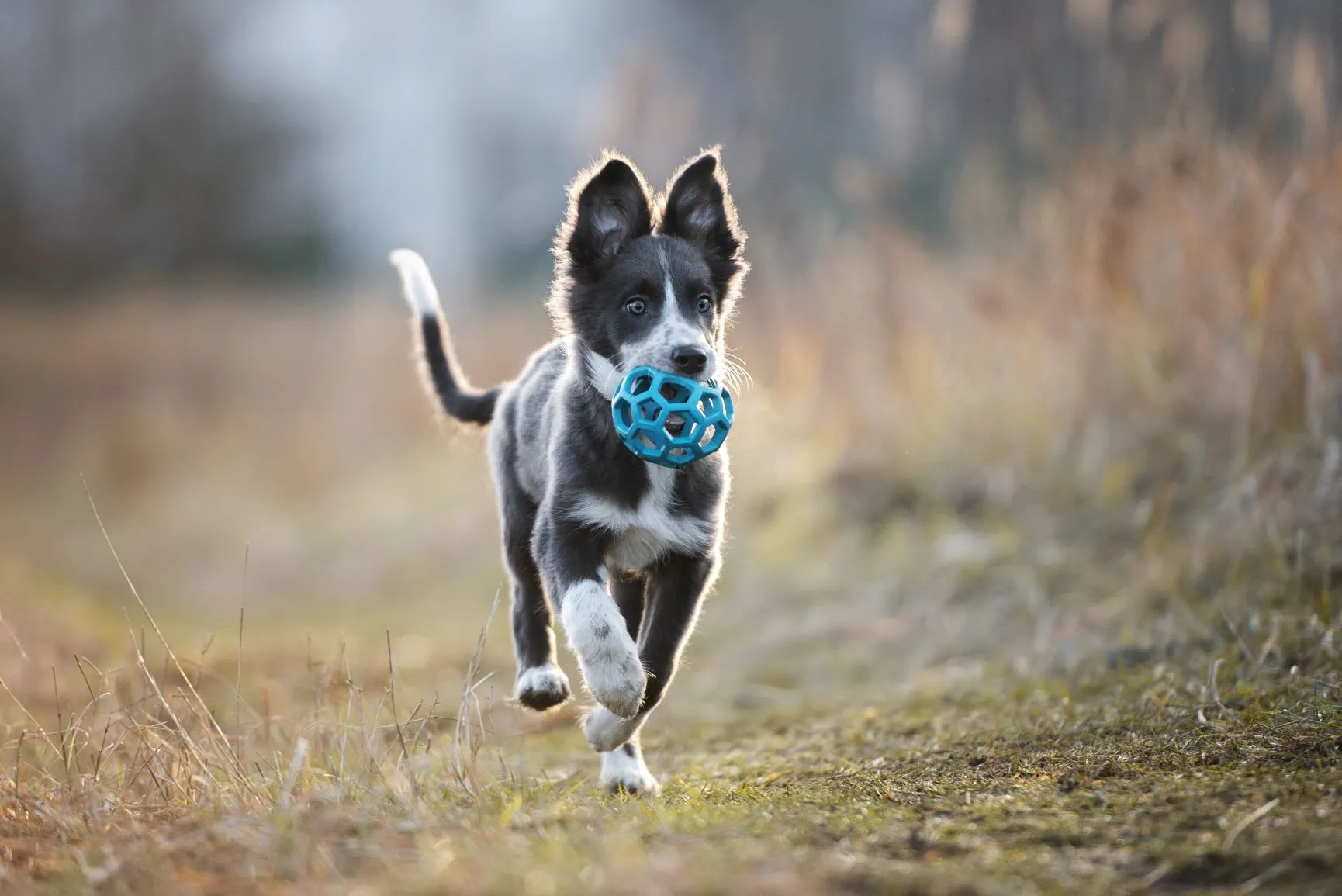
Behavior Changes That Catch Owners Off Guard
Hormones influence far more than reproduction. They also affect confidence, independence, and curiosity.
During puberty, dogs frequently:
- Ignore commands they previously obeyed
- Become more easily distracted.
- Show bursts of stubbornness
- Develop stronger reactions to other dogs.
Owners sometimes assume they’ve suddenly failed at training. In reality, the dog’s brain is going through developmental changes.
I’ve seen this play out countless times with adolescent dogs who suddenly “forget” their recall command at the park. A few months earlier, they came running every time. Now, the smell of another dog is far more interesting.
That phase is frustrating, but temporary.
A Mistake I See Owners Make During This Stage
One of the biggest mistakes I encounter is owners backing off on training because their dog seems uncooperative.
In my experience, adolescence is exactly when consistency matters most.
Dogs going through puberty are testing limits, much like human teenagers. If the structure disappears during this phase, bad habits can persist long after the hormones settle down.
I often advise owners to:
- Keep training sessions short but frequent.
- Reinforce commands they already know.
- Maintain consistent household rules.
A dog that seemed stubborn at eight months can become extremely reliable again by fourteen months if the training continues.
The Role of Spaying and Neutering
Spaying or neutering can influence how puberty unfolds, though it doesn’t erase adolescence completely.
Hormones drive many puberty behaviors, so removing them can reduce issues like marking, roaming, or mounting. But personality development and brain maturation still occur.
I’ve had owners assume that neutering will instantly solve teenage behavior. Sometimes it helps, but it’s not a magic switch.
Timing also matters. Many veterinarians, myself included, often tailor recommendations based on breed and lifestyle rather than following a single universal age.
When Puberty Ends
Most dogs settle into emotional adulthood somewhere between 12 and 24 months, though giant breeds can take even longer.
That’s usually when I hear owners say, “He finally acts like the dog we thought we adopted.”
Energy levels stabilize, training sticks better, and impulsive behaviors start fading.
Watching that transformation is one of the more satisfying parts of veterinary practice. The chaotic adolescent dog that once dragged its owner across the parking lot often returns a year later as a calm, well-mannered adult.
The Perspective That Comes With Experience
After years of seeing puppies grow into adults, I’ve come to view canine puberty as a predictable stage rather than a problem.
It’s messy, occasionally frustrating, and sometimes surprising for owners—but it’s also a sign that a dog is developing exactly as nature intended.
When people ask me how long it lasts, I usually tell them something simple: adolescence feels long while you’re living through it, but it’s a small chapter in a dog’s life.
And most of the time, the dog that comes out the other side is worth the patience it took to get there.