
A Veterinarian’s Honest Take
As a small-animal veterinarian, I’m often asked, “Can I give this to my dog?” Jerky appears to be an ideal high-protein treat. It’s dry, portable, and dogs love it.
But my answer is almost never a simple yes, because most beef jerky poses potential risks to dogs.
Years of cases—some mild, some concerning—make me cautious about beef jerky.
The Problem Isn’t the Meat—It’s Everything Else
Plain, dehydrated beef isn’t dangerous. Lean dried meat can be a decent treat. The problem is that most beef jerky for people contains more than just beef.
It’s packed with salt, preservatives, flavorings, and sometimes sweeteners, all of which may pose health risks such as increased blood pressure, allergic reactions, or negative effects from excess sugar.
Recently, a client’s Labrador vomited and refused food. After ruling out serious causes, we traced it to sharing small pieces of store-bought jerky during TV time. Even small amounts upset his stomach.
Once we cut out the jerky, the symptoms resolved within a couple of days.
This pattern repeats: not poisoning, not emergency, just a gradual buildup of “this doesn’t sit well with dogs.”
Sodium Is the Quiet Culprit
Commercial jerky is high in sodium. Dogs need far less salt than humans and can’t handle excess.
I’ve treated dogs who came in thirsty, mildly dehydrated, and restless after eating salty human snacks, including jerky. In one case, a terrier got into a half-open bag overnight. By morning, he drank water nonstop and paced. It wasn’t life-threatening, but it was uncomfortable and avoidable.
Larger dogs may only show subtle effects. For small breeds, even a few pieces can be too much.
The Hidden Danger: Ingredients You Don’t Expect
I am especially concerned about hidden ingredients that are more dangerous than salt, like onion or garlic powder, which can be toxic.
Some jerky products include garlic or onion powder, which can cause toxicity and anemia in dogs over time, even at low levels. Many owners do not realize these seasonings can pose a health risk over repeated exposure.
Some jerky contains sugar or artificial sweeteners. A few may contain xylitol, which is extremely dangerous for dogs because it can lead to seizures and liver failure. It is rare, but the consequences are severe even with small amounts.
And preservatives? They’re another gray area. Dogs don’t always tolerate them well, especially if they have sensitive stomachs.
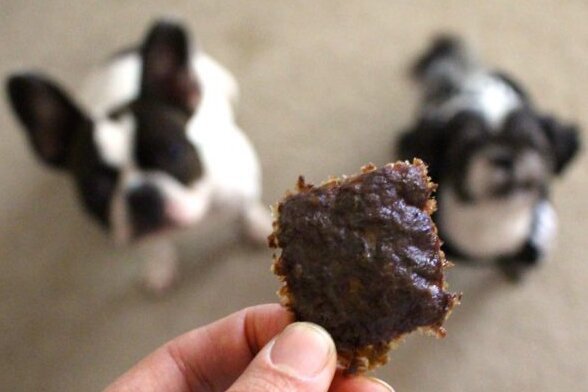
What About Dog-Specific Jerky?
You might think jerky made specifically for dogs is automatically safe. I wish it were that simple.
There was a period when jerky treats—particularly imported ones—were linked to kidney issues in dogs. Even now, I occasionally see dogs with digestive upset tied to certain low-quality jerky treats.
I remember a case involving a middle-aged mixed breed that developed lethargy and reduced appetite. The owner had recently switched to a new jerky treat marketed as “all-natural.” Bloodwork showed early kidney stress. We never proved causation beyond doubt, but once the treats were discontinued, the dog improved.
That experience changed how I talk about jerky. “Natural” doesn’t always mean safe.
When Is Beef Jerky Actually Okay?
I don’t recommend beef jerky as a regular treat. If you’re set on offering it, establish strict limits.
If you’re going to give your dog jerky, it needs to be:
- Plain, with no added salt, spices, or preservatives
- Made specifically for dogs from a reputable source
- Given in very small amounts, not as a daily habit
Even then, I suggest treating it like an occasional indulgence, not a regular reward.
Personally, I don’t use jerky with my own dog. Not because it’s inherently dangerous, but because there are simpler, safer options that don’t come with question marks.
What I Recommend Instead
Over the years, I’ve seen better consistency—and fewer problems—with simpler treats.
Fresh, unseasoned cooked meat works well. Small pieces of boiled chicken or plain beef are usually tolerated without issue. Even commercial dog treats, while not perfect, are formulated with canine needs in mind.
One of my long-term clients switched from jerky to small bits of cooked chicken after her dog had repeated stomach issues. She told me later it made training easier too—the dog stayed just as motivated without the side effects.
The Mistake I See Most Often
It’s not overfeeding. It’s not choosing the “wrong” brand.
It’s assuming that if a dog likes something, it must be good for them.
Dogs will happily eat things that don’t agree with them. Jerky falls into that category more often than people realize.
My Bottom Line
Beef jerky is more risky than safe for dogs. Better, safer treatment choices exist.
From experience, most beef jerky made for humans isn’t a safe bet for dogs.
If you want to share a treat, there are better options that won’t leave you second-guessing your choice later.