
A Veterinarian’s Perspective
Few things worry a cat owner more than noticing sudden changes in daily habits. A water bowl that needs refilling more often. A once-solid body that now feels lighter when picked up. At first, these changes may seem unrelated. Together, however, increased water intake and weight loss are rarely accidental.
When a cat drinks more than usual and loses weight at the same time, the body is signaling that something deeper is happening. This combination is not typically caused by simple behavioral shifts or minor diet changes. In most cases, it reflects an underlying medical condition that requires attention.
Understanding why this happens — and what to do next — allows owners to respond calmly and responsibly rather than waiting and hoping the issue resolves on its own.
Why Increased Drinking Matters
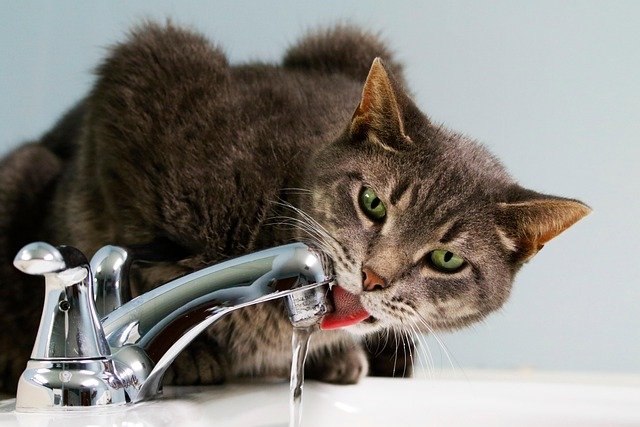
Cats naturally drink modest amounts of water. Many get much of their hydration from food, especially if they eat wet diets. So when a cat begins drinking noticeably more, it is usually not random.
Excessive thirst, known medically as polydipsia, often occurs because the body is trying to correct an internal imbalance. This imbalance may involve blood sugar levels, kidney function, or hormone regulation.
When the body cannot properly process nutrients or regulate fluids, it attempts to compensate by increasing thirst. The result is more frequent trips to the water bowl — and often larger clumps in the litter box due to increased urination.
On its own, mild increases in drinking may not always signal danger. But when paired with weight loss, the situation becomes more concerning.
Why Weight Loss Is a Red Flag
Healthy adult cats maintain relatively stable body weight. Gradual weight loss without dietary restriction is rarely normal.
Weight loss suggests that the body is either:
-
Unable to properly use nutrients
-
Burning calories abnormally fast
-
Losing protein or glucose through urine
-
Breaking down muscle to compensate for metabolic imbalance
Even if a cat appears to be eating normally — or even more than usual — unexplained weight loss signals that something is interfering with proper metabolism.
When weight loss occurs alongside increased drinking, certain medical conditions move higher on the list of possibilities.
Common Medical Causes
Several underlying diseases commonly cause both excessive drinking and weight loss in cats.
Diabetes Mellitus
Diabetes is one of the most frequent causes of this symptom combination.
In diabetic cats, the body cannot properly use glucose (sugar) for energy due to inadequate insulin function. As a result:
-
Glucose builds up in the bloodstream
-
Excess sugar spills into the urine
-
Water follows the sugar, increasing urination
-
Increased urination triggers increased thirst
Meanwhile, because the body cannot access glucose effectively, it begins breaking down fat and muscle for energy. This leads to weight loss — even if appetite remains normal or increases.
If untreated, diabetes can progress to dehydration, weakness, and serious metabolic complications.
Chronic Kidney Disease
Kidney disease is particularly common in middle-aged and senior cats.
The kidneys regulate fluid balance and filter waste. When they lose function:
-
The body cannot concentrate urine properly
-
Larger volumes of diluted urine are produced
-
Increased urination leads to increased thirst
Weight loss may occur due to reduced appetite, nausea, or muscle breakdown associated with chronic illness.
Kidney disease often progresses slowly. Early detection significantly improves long-term management and quality of life.
Hyperthyroidism
Hyperthyroidism occurs when the thyroid gland produces excessive hormone. This condition is common in older cats.
Thyroid hormone regulates metabolism. When levels are too high:
-
The metabolic rate increases
-
Calories are burned rapidly
-
Weight loss occurs despite strong appetite
-
Increased metabolism may increase thirst
Left untreated, hyperthyroidism can strain the heart and other organs.
Less Common Causes
While the three conditions above are most frequent, other possibilities include:
-
Liver disease
-
Certain cancers
-
Severe infections
-
Gastrointestinal disorders
These conditions also disrupt normal metabolism and fluid regulation.
Is It Ever Safe to Wait?
Owners sometimes wonder whether mild increases in drinking could simply reflect warmer weather, diet changes, or increased activity.
In healthy cats, temporary increases in thirst may occur due to:
-
Hot temperatures
-
Transition from wet to dry food
-
Stress or environmental change
However, these situations rarely cause noticeable weight loss.
If a cat is both drinking more and losing weight, waiting carries risk. Many underlying conditions progress gradually but become more difficult to manage if diagnosis is delayed.
Common Mistakes Owners Make
Well-meaning owners sometimes unintentionally delay proper care. Common missteps include:
Assuming weight loss is part of aging.
Cats do not normally lose weight simply because they are getting older.
Changing food repeatedly without evaluation.
Diet adjustments do not correct diabetes, thyroid disease, or kidney dysfunction.
Providing more water sources and assuming the issue is behavioral.
While hydration access is helpful, it does not address the underlying cause of excessive thirst.
Waiting for appetite to decline.
Many conditions causing weight loss do not immediately reduce appetite. In fact, appetite may increase in disorders such as hyperthyroidism or diabetes.
The absence of dramatic symptoms does not mean the condition is mild.
How Veterinarians Evaluate the Problem
When a cat presents with increased thirst and weight loss, diagnostic testing is typically straightforward and focused.
Evaluation commonly includes:
-
Blood testing to assess glucose, kidney values, and thyroid levels
-
Urinalysis to check for sugar, protein, and urine concentration
-
Body weight and muscle condition assessment
These tests provide objective information about how the body is functioning internally.
Early diagnosis allows for earlier intervention — which often leads to better long-term outcomes.
Why Early Action Improves Outcomes
Many of the conditions that cause increased thirst and weight loss are manageable when detected early.
-
Diabetic cats can stabilize with insulin therapy and diet adjustments.
-
Hyperthyroid cats respond well to medication or targeted treatment.
-
Kidney disease progression can often be slowed through diet and monitoring.
The longer the imbalance continues unchecked, the more strain is placed on organs. Early intervention helps preserve organ function and overall wellbeing.
Monitoring at Home
Owners play a critical role in early detection. Practical steps include:
-
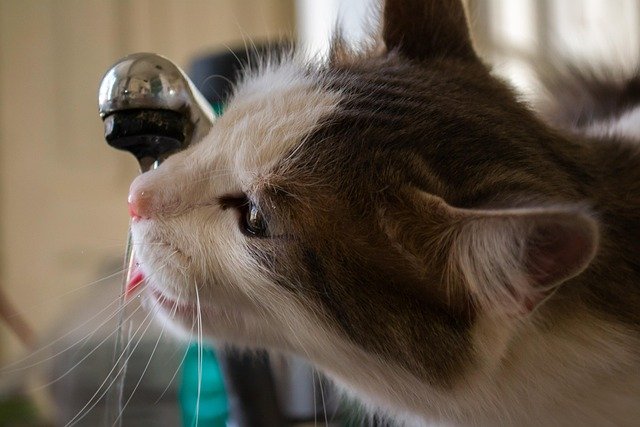
Noticing how often the water bowl needs refilling
-
Monitoring litter box output
-
Weighing the cat monthly using a home scale
-
Observing appetite and activity level
Even subtle patterns matter. Cats often hide discomfort, so small changes may be the only early clues.
The Responsible Approach
A cat drinking a lot of water and losing weight is not a cosmetic issue. It reflects internal stress on the body.
The safest choice is prompt veterinary evaluation rather than experimentation at home. Diagnostic testing is far more reliable than guessing based on outward behavior.
Most importantly, these symptoms often indicate treatable conditions. With timely care, many cats regain stability, maintain quality of life, and avoid preventable complications.
When excessive thirst and weight loss appear together, the message is clear: the body is asking for help. Responding early protects long-term health and ensures decisions are guided by evidence rather than assumption.