

I’m a licensed veterinarian practicing in Texas, and this question comes up more often than you might expect—usually right after someone’s dog has lunged for a plate that was still steaming. I’ve had this conversation in exam rooms, over the phone late at night, and once memorably in a parking lot while a client tried to cool down a dog’s tongue with bottled water.
So let me be clear upfront: dogs should not eat hot food. Warm is fine. Hot is not. And the difference matters more than people realize.
What “hot” actually does to a dog’s mouth and gut
Dogs don’t have the same tolerance for heat that humans do. Their oral tissues are thinner, and they don’t chew or test food the way we do. If something smells good, many dogs gulp it. That’s where problems start.
Early in my career, I treated a Labrador that had grabbed a piece of freshly microwaved chicken off a counter. The owner assumed it had cooled enough because it felt “warm” to her fingers. The dog swallowed it quickly and then started drooling heavily, pawing at his mouth, and refusing food for days. When I examined him, the roof of his mouth had superficial burns. Not dramatic, but painful enough to disrupt eating and healing.
Heat can cause:
- Burns to the tongue, gums, and palate
- Inflammation of the esophagus occurs when swallowed.
- Stomach irritation, which can lead to vomiting or refusal to eat
Dogs don’t always yelp or cry when this happens. Often, the signs appear hours later as drooling, lip-smacking, or sudden pickiness with food.
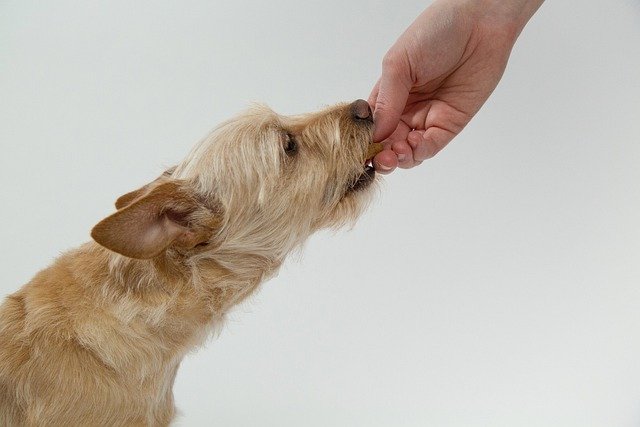
Hot temperature vs. spicy food (they’re not the same problem)
People often mix these two ideas, so I separate them clearly for clients.
Hot temperature is about physical heat.
Spicy food is about chemical irritation.
Both are bad for dogs, but in different ways.
I once had a client bring in a small mixed-breed dog after a family barbecue. The dog had been fed a spoonful of warm chili that wasn’t steaming anymore, but it was heavily seasoned. The dog didn’t burn his mouth, but he developed diarrhea and abdominal discomfort that lasted several days. Capsaicin—the compound that makes food spicy—doesn’t burn dogs the way it burns us, but it irritates their digestive tract significantly.
So even if food has cooled, it’s still not safe if it’s spicy, oily, or heavily seasoned.
Why dogs don’t “learn” to avoid hot food
Humans blow on food, test it, or wait. Dogs don’t have that instinct. In my experience, even dogs that have burned their mouths once will try again if given the chance.
One client had a senior Beagle who burned his tongue on hot rice years earlier. Months later, the same dog went after freshly cooked pasta with the same enthusiasm. Dogs don’t associate temperature with danger the way we do. Smell and opportunity override memory.
That’s why prevention matters more than hoping they’ll be cautious.
Common mistakes I see in real households
Over the years, a few patterns come up repeatedly.
One is microwaved leftovers. Microwaves heat unevenly. I’ve seen dogs burn the front of their mouths on food that was cool in the center—or the opposite, if you’re reheating something for your dog, stirring and cooling time matter.
Another is homemade dog food prepared in batches. I fully support home-cooked diets when they’re properly balanced, but I’ve seen owners scoop food straight from the pot because they’re in a hurry. A pot that feels safe to your hand may still be too hot for a dog that eats faster than you do.
The third mistake is sharing food “right off the plate.” I treated a dog last summer that burned his tongue on freshly grilled meat. The owner didn’t think about the temperature because the dog grabbed it before she could stop him. A simple habit could’ve avoided that visit: dogs don’t get food until plates have been cleared and cooled.
What temperature is safe?
I don’t use thermometers in exam rooms for this conversation. I use a simple rule I’ve tested countless times with clients.
If you can comfortably hold the food against the inside of your wrist for several seconds without wanting to pull away, it’s safe for your dog from a temperature standpoint. Lukewarm or room temperature is ideal.
In practice, most dogs actually prefer food that’s slightly warm because it smells stronger. You don’t need heat—avoid cold straight from the fridge.
Signs a dog may have been burned by hot food
Sometimes owners don’t witness the moment. They notice something’s off.
From what I’ve seen clinically, watch for:
- Excessive drooling that wasn’t present before
- Pawing at the mouth or rubbing the face on furniture
- Reluctance to eat dry food but interest in soft food
- Whining when yawning or chewing
If these signs show up after access to hot food, it’s worth a veterinary exam. Mild burns heal on their own, but deeper injuries can become infected or lead to long-term food aversion.
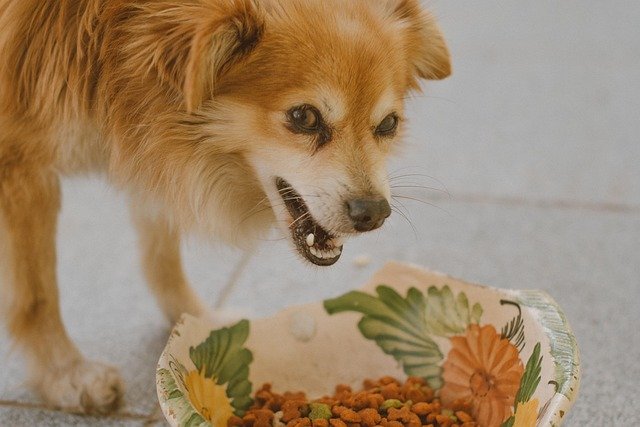
My professional stance after years of treating dogs
I advise against feeding dogs any food that’s hot in temperature, even if it’s otherwise dog-safe. There’s no benefit and no absolute risk. Dogs don’t need steaming meals, and they don’t enjoy them more in a way that justifies the danger.
Every burn case I’ve treated came from good intentions—sharing food, trying to be kind, assuming something had cooled enough. None of them came from neglect. But good intentions don’t protect oral tissue.
If you cook for your dog, let the food cool fully. If you share food, do it intentionally, not impulsively. And if something just came off the stove, the grill, or out of the microwave, it’s not dog food yet.
That mindset alone prevents most of the problems I see related to hot food.