

Practical Advice from a Small-Animal Veterinarian
Cat grass is often marketed as a simple, healthy treat for indoor cats. Many pet owners purchase a small kit, water it faithfully, and expect it to thrive with little effort. A week later, the grass is yellow, moldy, flattened, or completely uprooted. The cat may vomit after eating it, dig through the soil, or ignore it entirely.
These situations are common and usually preventable. Cat grass can be a safe and beneficial enrichment tool, but only when it is grown and managed correctly. Understanding what it is, how it behaves, and where owners commonly go wrong helps ensure that it supports a cat’s wellbeing rather than creating frustration or risk.
What Cat Grass Actually Is
“Cat grass” is not a single plant species. Most commercial kits contain wheat, oat, barley, or rye grass. These are cereal grasses grown to an early stage and intended for short-term use. They are different from catnip, which affects behavior through scent stimulation.
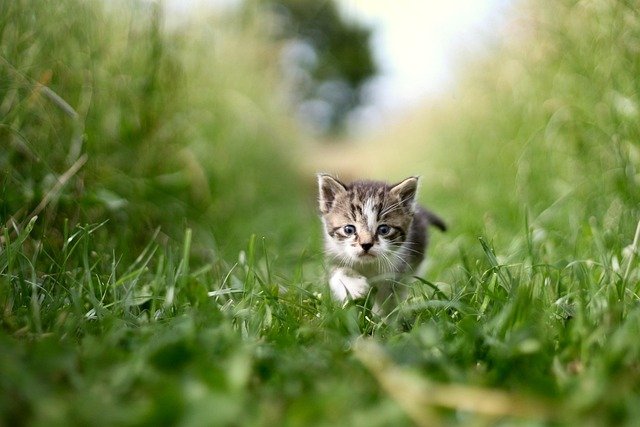
Cats chew grass for a variety of reasons:
-
Instinctive grazing behavior
-
Added fiber intake
-
Curiosity or texture preference
-
Mild digestive stimulation
Grass is not a detox tool and does not cure gastrointestinal disease. However, for many indoor cats, it provides safe plant material to chew, which may reduce interest in houseplants. This distinction matters because some common houseplants, such as lilies, can be life-threatening to cats.
Providing safe grass can redirect chewing behavior, but only if unsafe plants are removed from the environment. Cat grass is a supplement to good environmental management, not a replacement for it.
Is Cat Grass Safe?
For healthy cats, plain cereal grass grown without pesticides or fertilizers is generally safe. The key safety factors are:
-
No chemical treatments on seeds
-
No mold growth
-
Clean, uncontaminated soil
-
No access to toxic neighboring plants
The primary risks are not from the grass itself but from how it is grown. Mold and root rot are common problems when moisture is poorly controlled. Mold exposure can irritate a cat’s respiratory system or digestive tract, especially in sensitive individuals.
If the grass smells sour, looks fuzzy at the soil surface, or feels slimy near the base, it should be discarded. Mold does not improve with trimming.
Why Cats Sometimes Vomit After Eating Grass
One concern pet owners frequently notice is vomiting shortly after grass consumption. This does not automatically mean the grass is harmful. Grass can trigger regurgitation in some cats. The blades may irritate the stomach lining slightly, stimulating expulsion of hair or undigested material.
Occasional vomiting without other symptoms may not indicate illness. However, repeated vomiting, lethargy, appetite loss, or diarrhea requires medical evaluation. Grass should never be used as a way to “manage” chronic vomiting. Persistent digestive signs suggest an underlying issue that grass cannot correct.
Light and Placement Matter
Cat grass behaves more like fresh herbs than decorative houseplants. It requires bright, indirect light. Prolonged exposure to intense heat from a sunny window can dry it out quickly, while low light leads to weak, floppy growth.
Air circulation is equally important. Stagnant, humid environments encourage mold formation at the soil surface. Placing the pot in a well-ventilated area of the home reduces fungal growth.
A stable surface is also essential. Cats often pull at the grass with force. Lightweight containers tip easily, leading to soil spills and contamination.
Watering: The Most Common Mistake
Overwatering is the leading cause of failure. Roots sitting in soggy soil quickly rot. The signs are predictable:
-
Yellowing blades from the base
-
Mushy stems
-
Sour odor
-
Rapid collapse after initial healthy growth
The safest approach is controlled, moderate watering. The top layer of soil should dry slightly between waterings. Containers with drainage holes are preferable because they allow excess water to escape. If a saucer is used, it should be emptied after watering.
Cat grass has a short life cycle. Even with perfect care, it will not last indefinitely. Expect growth for one to three weeks before natural decline begins.
Managing Your Cat’s Access
Many cats chew enthusiastically. Some yank entire clumps from the soil or dig at the roots. This behavior is normal but can shorten the plant’s lifespan.
Instead of leaving cat grass out continuously, consider offering it in short sessions. Removing it after heavy chewing allows the blades to recover. This approach also prevents overconsumption, which may increase vomiting.
If a cat consistently digs in the soil rather than chewing the blades, the container may be too shallow or lightweight. A deeper, heavier pot can discourage digging behavior.
Trimming Extends Usability
Allowing blades to grow too tall often results in flopping and yellow tips. Trimming the grass to a moderate height encourages fresher, sturdier regrowth. Clean scissors can be used to cut it down to a few inches above the soil.
Trimming does not prevent eventual decline, but it improves airflow around the base and reduces moisture buildup, lowering mold risk.
Common Misunderstandings
Several myths surround cat grass:
Myth: Cat grass prevents all hairballs.
While it may help some cats pass hair more easily, it is not a guaranteed solution for hairball problems.
Myth: More water equals healthier growth.
Excess moisture is far more damaging than slight dryness.
Myth: All grass is safe.
Outdoor grass may contain pesticides, parasites, or environmental contaminants. Only untreated, indoor-grown grass should be offered.
Myth: Vomiting after grass always means toxicity.
Mild regurgitation can be a mechanical response, not poisoning.
Clear understanding prevents unnecessary worry and unsafe assumptions.
When to Avoid Cat Grass
Cat grass may not be appropriate for cats with chronic gastrointestinal disease, frequent unexplained vomiting, or immune compromise. In these cases, adding plant material could complicate symptom monitoring.
If there is uncertainty about a cat’s health status, introducing grass should be discussed with a veterinarian before use.
A Responsible Approach
Cat grass can enrich an indoor cat’s environment by supporting natural chewing behavior. Its safety depends on proper growing conditions, moisture control, and observation of the individual cat’s response.
Clean seeds, moderate watering, good airflow, and supervised access reduce most risks. Mold, persistent vomiting, or signs of illness should never be ignored.
Used thoughtfully, cat grass is a simple addition that supports wellbeing without replacing proper medical care. Responsible pet ownership means understanding both its benefits and its limits, allowing informed decisions that prioritize safety above convenience.