
Daily Life from a Licensed Veterinarian’s Perspective
I’ve been a small-animal veterinarian for over a decade, and Sphynx cats are among the most misunderstood patients I see. People assume “no hair” means “low maintenance.” In reality, the opposite is usually true. The families who struggle the most with Sphynx cats care are those who expected a low-effort pet and were surprised by how much hands-on care these cats actually require.
I’ll walk you through how I encourage my own clients to care for their Sphynx cats, based on what I’ve seen in my practice and in my own home life with these wonderfully odd, affectionate cats.
The first surprise: hairless doesn’t mean hypoallergenic or carefree
One of the most common conversations I have in my exam room starts with, “We chose a Sphynx because of allergies.” The reality I share gently is that allergies are usually triggered by skin proteins, not fur itself, and Sphynx cats have more exposed skin than any other breed.
I once treated a family who had rehomed their Sphynx after a few months because their allergies actually worsened. They were devastated because they’d truly bonded with the cat, but no amount of cleaning or bathing alleviated the symptoms. That experience shaped how I counsel people now: get tested for cat allergies first, and don’t assume “no hair” means “no allergens.”
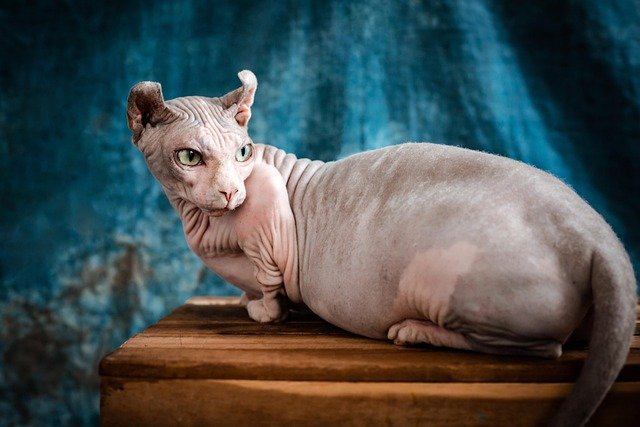
Bathing becomes a routine, not an occasional chore.
Sphynx cats produce skin oils like any other cat — they don’t have fur to absorb them. That oil collects on the skin, in skin folds, on bedding, and even on your furniture if you skip routine care.
In my experience, most Sphynx cats do best with regular, gentle baths, often weekly or every other week. The owners who struggle are usually those who avoid bathing because the cat protested the first time. The trick is to:
- Use lukewarm water, not hot
- Choose a mild, fragrance-free pet shampoo
- Keep baths short and calm
One spring, a client brought in a Sphynx with deep reddish irritation along the belly and armpits. They had switched to a heavily scented human shampoo because “it smelled clean.” The fragrance and harsh detergents triggered contact dermatitis.
A return to a gentle veterinary shampoo and a few medicated treatments resolved it, but it was a hard lesson for that owner: simple, mild products usually win.
Skin care is daily care.
You’ll notice your Sphynx feels slightly warm and almost suede-like to the touch. That warmth is typical—they lose heat faster without fur—but their exposed skin also tells you a lot about their health.
Here’s what I’ve learned to watch for in real-life situations:
- Dark waxy buildup around claws and in folds suggests oil buildup or hygiene issues
- Reddish patches often signal irritation, allergies, or friction
- Tiny black specks on the chin usually indicate feline acne
I once had a Sphynx patient whose owner wiped her down obsessively several times a day with disinfectant wipes, trying to keep her “sterile.” The cat’s skin dried, cracked, and became more prone to infection. After we talked, they switched to gentle, damp cloth wipe-downs only when visibly dirty, and the skin healed beautifully. Sphynx skin needs care, not constant scrubbing.
Ear cleaning isn’t optional.
Because there’s no hair in the ear canal to catch debris, Sphynx ears tend to produce visible wax faster than coated breeds. Many first-time owners are startled by how quickly the ears look “dirty.”
I recommend getting comfortable with:
- a proper pet ear cleaner (not hydrogen peroxide)
- soft gauze or cotton rounds
- gentle wiping, never digging deep
I’ve treated ear infections in Sphynx cats simply because the owner avoided cleaning out of fear of “doing it wrong,” and the wax trapped moisture. A quick demonstration in the clinic usually gives owners the confidence they need. Once you see how shallow the cleaning should be, the task stops being intimidating.
Warmth and sun: both need balance
Sphynx cats love heat, and I can’t blame them. Without fur, they lose warmth quickly and seek out sun patches, heat vents, and body contact. Mine at home gravitates to my lap the second I sit.
But there are two risks I consistently counsel families about:
- They can become chilled faster than you expect. Drafty rooms, cold tiles, or long times in air conditioning can make them uncomfortable.
- Direct sunlight can burn exposed skin, especially pale cats.
I still remember a Sphynx I saw one summer who had slept stretched out in a window for hours. The cat’s ears and shoulders were pink and tender from sunburn. The owners meant well—they thought the cat was “just enjoying the sun.” Now I advise: provide warmth with soft blankets, heated pet beds, and filtered sunlight. Avoid prolonged exposure to direct sun, just as you would with your own skin.
Nutrition is straightforward — but the mess isn’t
Diet misconceptions are common. I see people chase exotic or extreme diets because their Sphynx “seems different.” In general, a high-quality, balanced cat food works well unless your veterinarian recommends otherwise.
Where Sphynx cats differ is in cleanup. Oil from the skin mixes with saliva while grooming and can stain light bedding or furniture. I’ve walked into homes where owners had resigned themselves to brown pillowcases. The simplest solution I’ve seen succeed is washing bedding regularly and using easily washable fabrics, rather than trying to fight the cat’s natural oil production.
Closeness is not optional — they thrive on it.
Sphynx cats are social to an almost doglike level. The most stressed Sphynx cats I’ve treated weren’t sick — they were lonely.
One client worked long shifts and had adopted a single Sphynx, expecting an “independent” cat. The cat started overgrooming and crying at night. We ruled out medical causes, then discussed lifestyle. They eventually added more structured interaction time and puzzle feeders, and later adopted a second cat. The behavior change was striking.
If you’re rarely home or prefer a hands-off pet, I usually advise choosing a different breed. Sphynx cats expect to be held, talked to, and included.
Common mistakes I see over and over
A pattern emerges after years in practice. The same preventable mistakes show up repeatedly:
People skip baths for months, then get overwhelmed by oily buildup and skin odor.
They over-bathe with harsh soaps, which can trigger irritation.
They assume “no fur” = “no health issues,” and delay vet visits for skin problems.
They underestimate how much companionship these cats crave.
My professional opinion is simple: Sphynx cats are wonderful companions for people who enjoy routine hands-on care and constant company. They’re not decorative or low-effort. They’re interactive, opinionated, warm little shadows who follow you from room to room.
The reality I share with new owners
If you’re considering living with a Sphynx, expect:
- regular baths
- ear and nail cleaning
- attention to warmth and sun exposure
- More vet conversations about skin than furred breeds
- a cat who wants to be with you, not just near you
The Sphynx cats I see who are happiest live with people who enjoy the routine. The owners talk about bath time like bath time with a toddler: a bit messy, sometimes funny, occasionally frustrating, always worth it.
I’ve cared for many breeds, but few are as people-focused as the Sphynx. If you like the idea of a cat who insists on sleeping under your blanket, supervises your laptop work, and expects to be part of your daily rituals, this breed can be incredibly rewarding.
If you want a pet you rarely have to clean or manage closely, this probably isn’t the right match.