
What I’ve Learned as a Licensed Veterinarian
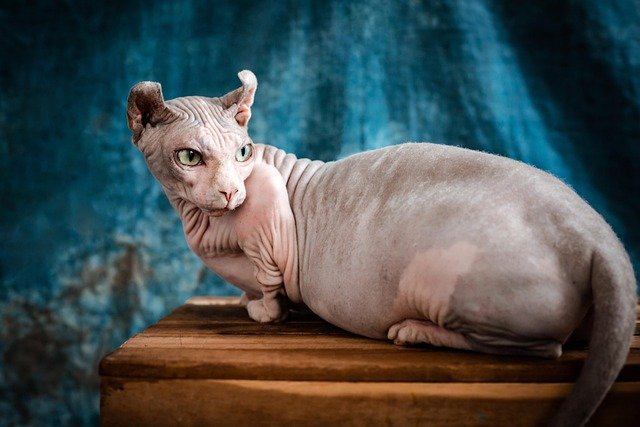
I’ve practiced as a small-animal veterinarian in Texas for over a decade, and I see hairless cats—especially Sphynx and similar breeds—often enough to know they are not “low maintenance” pets. They’re affectionate, social, and expressive, but their lack of fur changes almost every aspect of daily care.
I’ve watched first-time owners fall in love with the look and personality, then come back surprised that these cats require more work, not less. My goal here is to share what actually matters in real homes, not theory pulled from brochures.
Living with skin, not fur
The first surprise most owners face is the skin. Hairless cats still produce skin oils, but without fur to absorb them, those oils stay on the surface. This means routine bathing, but not constant bathing. People often overcorrect.
One client, a few summers ago, bathed her new Sphynx every few days because she worried the cat “felt greasy.” The cat arrived at my clinic with dry, irritated patches along the shoulders. We cut back bathing to every week or two, switched to lukewarm water and a mild, fragrance-free pet shampoo, and the problem resolved. Too much scrubbing does more harm than a little harmless oil.
I also warn owners that hairless cats leave light residue on blankets and furniture. That’s normal. If a perfectly spotless sofa matters more than sharing space with a pet, this is probably the wrong breed.
Temperature control is daily care, not an occasional concern.
Fur is insulation. Without it, these cats feel temperature shifts the way we do in short sleeves.
In my own home, I fostered a hairless cat for several weeks before adoption. Even with climate control, she constantly sought out sunny windows, warm laps, or soft blankets. At night, she’d burrow under the covers without hesitation. That experience changed how I give advice. I now tell owners to think of a hairless cat like a friend who always feels the air conditioner first: they need warm resting spots and protection from drafts.
On the opposite end, I’ve treated sunburn in hairless cats that were allowed to bask in direct sunlight. Owners assumed “they’re cats, they love the sun.” They do, but bare skin burns. I strongly recommend limiting direct sun exposure and avoiding human sunscreens unless explicitly cleared by a vet, as many contain ingredients that are unsafe if licked.
Ears, claws, and the parts people forget
Because hair doesn’t trap debris, wax buildup in the ears of hairless cats can look dramatic. I regularly demonstrate ear cleaning in the exam room. The mistake I see most often is owners digging too deeply with cotton swabs. That risks injury. I suggest gentle wiping that only addresses what you can clearly see, using a vet-approved ear cleaner. Anything deeper should be handled in a clinic.
Nail care is another area people underestimate. Oil and dirt collect in the folds of skin around the claws. I’ve had more than one owner apologize across the exam table because “the toes just look dirty.” That’s common. Regular nail trimming combined with wiping those folds prevents redness and infection. It’s simple once you get used to it, but ignoring it always catches up later.
Managing social needs and personality
Hairless cats tend to be highly people-oriented. Many of the ones I treat behave more like velcro pets than independent cats. I remember a family that adopted one for their teenage daughter. The cat bonded so strongly that it cried outside closed doors and followed everyone from room to room. They hadn’t expected that level of attachment; they thought “low shedding equals low involvement.” Instead, they got a cat who wanted constant company and did poorly when left alone for long hours.
Based on cases like that, I’m candid: if you’re gone most of the day and prefer a pet that keeps to itself, this breed may not be a good match. If you enjoy a cat that wants to sit on your shoulder while you work, you’ll probably be delighted.
Bathing without turning it into a battle
Bathing doesn’t have to become a wrestling match. I’ve had success coaching owners to introduce baths gradually rather than “full immersion” from day one.
What works best in my experience is warm—not hot—water, a non-slip surface in the sink or tub, and short sessions focused on skin folds rather than extended scrubbing. Towel drying thoroughly matters. If moisture lingers between skin folds, irritation follows. I’ve seen more rashes from trapped dampness than from dirt.
Food choices and weight control affect the skin.
Nutrition shows up directly on the skin of hairless cats. Diets heavy in low-quality fillers often lead to greasier skin and more frequent breakouts. I’m not loyal to a single brand, but I do steer owners toward balanced, high-quality cat food appropriate for age and activity level. Obesity is a real risk; without fur, extra weight is visually subtle until it becomes obvious all at once. Extra folds trap moisture and oil, which leads to more skin problems. I’d rather prevent that than treat it.
Common mistakes I’d avoid if I were starting over
The patterns I see repeatedly:
- Bathing too often or with harsh human products
- Letting them sunbathe without protection or shade
- Ignoring earwax and nail-fold cleaning until it becomes a veterinary issue
- Assuming they don’t need warmth because the house “feels fine to us.”
- Choosing the breed for the look rather than for the temperament
Each of these ends up in my exam room sooner or later.
Final thought from daily practice
Hairless cats aren’t fragile ornaments, but they do require intentional care. They’re warm to the touch, expressive, and intensely interactive. The owners who thrive with them are the ones who enjoy hands-on routines: bathing, wiping, trimming, monitoring skin changes, and sharing blankets.
From what I’ve seen in clinics, homes, and my own fosters, the effort is rewarded with unusually close companionship.