
I’m a licensed veterinarian practicing in Texas, and I hear this question more often than you might expect. Usually, it comes up sheepishly at the end of an appointment, often with a story attached: the dog got into the cat’s bowl, the cat refused dinner, so the dog finished it, or the family ran out of dog food and made a quick decision late at night.
I understand why people ask. On the surface, pet food looks interchangeable. It’s meat, it’s kibble or a can, and both animals are carnivorous-looking mammals with tails and sharp teeth. But after years of clinical work, I’ve become fairly firm in my answer.
Yes, a dog can eat cat food once or twice without catastrophe. No, it’s not a good idea to feed cat food to a dog regularly. And in some dogs, it causes real problems faster than owners expect.
Why does this question keep coming up
One of the first cases that stuck with me was a middle-aged Labrador who came in for vomiting and greasy diarrhea that had been going on for a week. The owner had switched him to cat food temporarily while waiting for a dog food delivery. She told me, almost defensively, that it was “high-quality” cat food and that he loved it.
He did love it. That was part of the problem.
Dogs are opportunistic eaters. Cat food is richer, fattier, and more aromatic than most dog food, so dogs are drawn to it immediately. In multi-pet households, I routinely see dogs hovering near the cat bowl or licking it clean after the cat walks away.
What most people don’t realize is that cat food is designed for a completely different metabolism.
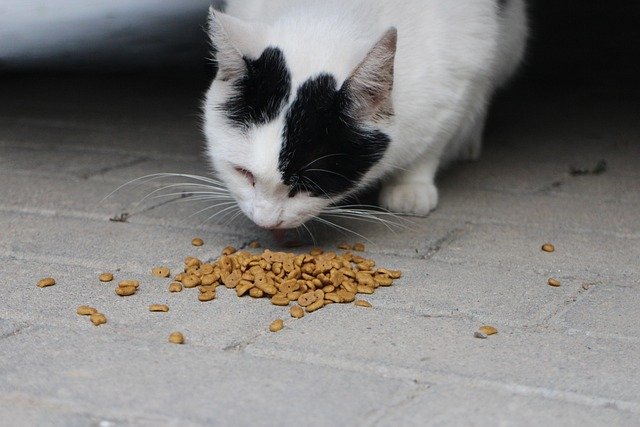
How cat food is different from dog food
Cats are obligate carnivores. They require much higher levels of protein and fat than dogs do, along with specific nutrients like taurine and arachidonic acid that dogs can produce on their own.
To meet those needs, cat food is typically:
- Much higher in protein and fat
- More calorie-dense per serving
- Lower in fiber
- Formulated without regard for canine nutrient balance
Dogs, while they enjoy meat, are omnivores. Their digestive systems are better suited to a more balanced diet that includes carbohydrates and fiber. When you feed a dog cat food, you’re giving them something their body isn’t designed to handle in large amounts.
In my experience, this mismatch shows up clinically in very predictable ways.
What I actually see happen in real dogs
The most common issue I see is gastrointestinal upset. Vomiting, loose stools, and excessive gas often appear within days. In smaller dogs, sometimes within hours.
A few years ago, I treated a small terrier whose owners had been letting him eat the cat’s leftovers for months. They brought him in because he’d become lethargic and painful, with repeated vomiting. Bloodwork showed pancreatitis, which is inflammation of the pancreas. High-fat diets are well-known triggers, and cat food is significantly higher in fat than most dog diets.
That dog recovered, but it took hospitalization, IV fluids, pain control, and several anxious days for the family. The food change seemed harmless to them at the time.
Another issue I’ve seen repeatedly is weight gain. Because cat food packs more calories into smaller portions, dogs eating it regularly gain weight quickly. I’ve had clients tell me their dog “barely eats anything” while unknowingly feeding a calorie-dense diet meant for a much smaller animal.
Long-term, feeding cat food to dogs can contribute to:
- Pancreatitis
- Obesity
- Chronic diarrhea
- Nutritional imbalances
- Worsening of existing conditions, like arthritis due to weight gain
Large-breed dogs and dogs with sensitive stomachs tend to show problems sooner, but even sturdy dogs aren’t immune.
The “just this once” situation
People often ask if it’s okay in an emergency. The power went out. The store was closed. The dog food ran out unexpectedly.
In those situations, I tell clients not to panic. A healthy adult dog eating cat food for one meal, or even a day, is unlikely to be harmed. I’ve never seen a dog suffer lasting damage from a single exposure.
That said, I advise against making it a habit, even for convenience. I’ve seen well-meaning owners slide from “just tonight” into “he seems fine on it,” and that’s where trouble starts.
If you genuinely have nothing else, feeding a smaller portion than usual can help reduce stomach upset. But switching back to dog food as soon as possible matters.
Puppies and senior dogs are a different story.
Puppies and senior dogs tend to tolerate dietary mistakes less gracefully.
I once saw a young puppy with persistent diarrhea that turned out to be from eating cat food daily. The owners thought the extra protein would help him grow. Instead, it irritated his gut and interfered with proper nutrient balance during a critical growth phase.
Senior dogs, especially those with kidney, liver, or pancreatic concerns, are at higher risk from the fat and protein levels in cat food. I’ve advised clients to keep cat food physically inaccessible once their dogs reach older age, because the consequences can escalate quickly.
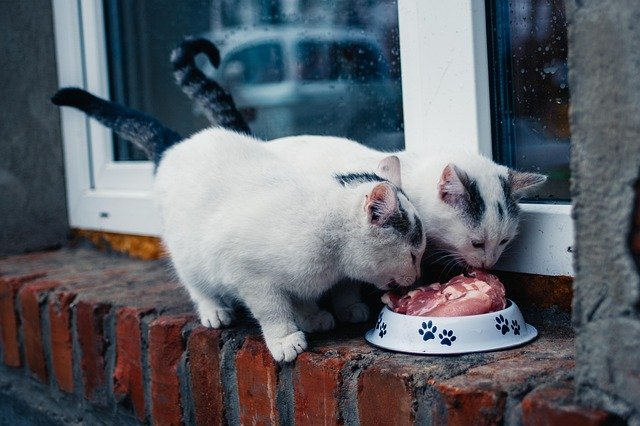
Why dogs seem to thrive on it at first
One reason this issue is confusing is that dogs often appear to do well initially. Their coat might look shinier. They might seem more energetic. They certainly act enthusiastic at mealtime.
That short-term response doesn’t mean the diet is appropriate. I’ve had clients tell me their dog “has never eaten better,” right before we uncover abnormal lab values or recurring digestive issues.
Highly palatable food can mask underlying strain on the body. By the time symptoms appear, the damage is already underway.
Common mistakes I see in multi-pet homes
In households with both cats and dogs, the problem is rarely intentional. It’s logistical.
I’ve walked into homes where the cat’s bowl sits on the floor all day, and the dog casually grazes from it. Owners often don’t realize how much cat food their dog is consuming until we start asking detailed questions.
Elevating cat bowls, feeding cats in separate rooms, or using microchip-activated feeders can make a real difference. I’ve seen dogs’ chronic digestive problems resolve simply by cutting off access to the cat’s food.
My professional recommendation
After years of treating the consequences firsthand, my advice is straightforward: cat food should not be used as a regular substitute for dog food.
If a dog sneaks a bite now and then, it’s usually not an emergency. But deliberately feeding cat food to dogs, especially over weeks or months, is something I actively advise against.
Pet food isn’t interchangeable just because it’s sold in the same aisle. It’s formulated with specific biology in mind. Respecting that difference saves dogs from discomfort, owners from expensive vet visits, and everyone from unnecessary stress.
Most of the problems I see tied to this issue are preventable. They don’t come from neglect, but from understandable assumptions. Clearing up those assumptions is often all it takes to keep a dog healthy and comfortable in the long term.