
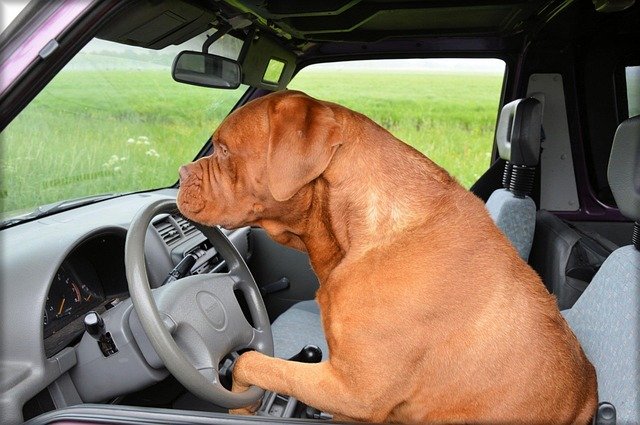
Videos and headlines occasionally suggest that dogs can “drive” cars. For many pet owners, this raises a genuine question rather than a joke: is this something dogs are capable of, and if so, is it ever safe? The short answer is that dogs do not understand driving, and any situation where a dog appears to be operating a vehicle involves serious risk.
Understanding why these scenarios happen—and how to prevent them—helps owners make safer choices for their pets and for others.
What People Mean by “Driving”
When people say a dog is driving a car, they usually mean one of three things:
-
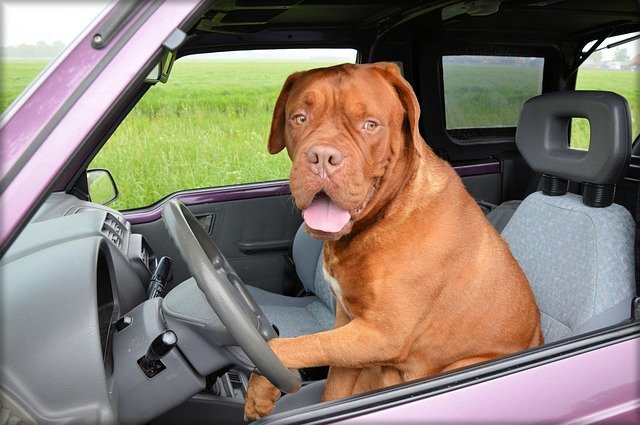
A dog is sitting in the driver’s seat and happens to touch the steering wheel
-
A dog moves a vehicle that is already in motion or not properly secured
-
A staged setup where a human controls the vehicle while the dog appears to do so
None of these involve a dog actually controlling a car in a meaningful or safe way. Driving requires coordinated vision, understanding of traffic rules, impulse control, and the ability to respond to complex and changing environments.
Dogs do not have the cognitive framework or physical design to perform these tasks.
Why Dogs Cannot Drive Safely
Dogs interact with their environment very differently from humans. They respond to movement, sound, and scent, often impulsively. A car requires sustained focus, prediction, and restraint—qualities that do not align with canine behavior.
Several factors make driving impossible for dogs:
-
Limited understanding of cause and effect: Dogs can learn simple associations, but they cannot grasp abstract systems like traffic laws or vehicle mechanics.
-
Physical limitations: Steering wheels, pedals, and controls are designed for human proportions and dexterity.
-
Sensory priorities: Dogs are easily distracted by noises, smells, and sudden motion, which directly conflicts with safe driving behavior.
Even a brief interaction with vehicle controls can lead to unintended movement.
Real Risks Involved
The risks associated with dogs in the driver’s seat are not theoretical. They follow clear cause-and-effect patterns.
If a dog is left alone in a car with access to the front seat, several things can happen:
-
The dog may step on the accelerator or release the parking brake
-
Sudden noises or movements outside can trigger jumping or pawing
-
The vehicle can roll into traffic, structures, or people
Even at low speeds, these incidents can cause injury to the dog, damage to property, or harm to others. Inside the car, an unrestrained dog can also be injured by airbags, sudden stops, or collisions.
Common Owner Misunderstandings
Most owners involved in these situations do not intend harm. Problems usually stem from underestimating risk.
One common myth is that a parked car is safe if the engine is off. In reality, many vehicles can still move if the parking brake is not fully engaged or if the transmission is shifted.
Another misunderstanding is assuming a calm dog will remain still. Dogs can react unpredictably to external stimuli, especially when left alone.
Some owners believe holding a dog on their lap while driving offers control. This actually increases danger. The driver’s attention is divided, and the dog can interfere with steering or pedals in an instant.
Why These Scenarios Happen at All
Dogs are naturally curious and seek proximity to their owners. When allowed free movement in a vehicle, they often gravitate toward the front seats because that is where people usually sit.
In addition, many owners enjoy sharing experiences with their pets and may not realize that cars are fundamentally unsafe environments without proper restraint. Familiarity can create a false sense of security, especially if nothing has gone wrong before.
What Responsible Transport Looks Like
The safest approach is to treat car travel as a controlled activity, not a casual extension of home space.
Responsible transport means:
-
Dogs are always restrained using crash-tested harnesses or secured crates
-
The dog is positioned in the back seat or cargo area, never the driver’s seat
-
The vehicle is fully turned off and secured before the dog is left alone, if leaving is unavoidable
These measures are not about limiting enjoyment. They reduce the chance of sudden movement, distraction, or injury.
Airbags and Interior Hazards
Even when a dog is not “driving,” the front seat poses specific dangers. Airbags deploy with great force and are designed for adult humans. A dog in the front seat can be seriously injured or killed if an airbag deploys during a collision or sudden stop.
Loose objects, open windows, and hard surfaces inside the car can also become hazards if the vehicle stops abruptly.
Legal and Liability Considerations
In many regions, allowing an animal to interfere with vehicle operation can lead to legal consequences. If a dog causes an accident, the owner may be held responsible for damages or injuries.
Beyond legal outcomes, there is an ethical responsibility to prevent foreseeable harm. Since dogs cannot understand the risks, the burden of decision-making rests entirely with the owner.
Addressing Viral Content and Staged Videos
Some videos showing dogs “driving” are carefully staged, often using modified vehicles, remote controls, or human intervention outside the frame. While they may appear harmless, they can normalize unsafe behavior.
Viewers may assume these setups are easily replicated or less dangerous than they actually are. In everyday conditions, attempting anything similar without specialized equipment and safeguards creates unnecessary risk.
The Safest and Most Responsible Choice
Dogs cannot drive cars, and situations where they appear to do so are either unsafe accidents or controlled illusions. Allowing a dog access to vehicle controls puts the animal, the owner, and others at risk.
Responsible pet care involves recognizing limits and designing environments that protect those who rely on human judgment. In vehicles, that means restraint, separation from controls, and a clear understanding that curiosity and affection do not equal safety.
A calm, informed approach to car travel keeps dogs protected and ensures that a moment of convenience or amusement does not turn into preventable harm.