
For many pet owners, the question comes up during everyday errands. A quick stop at the store. A short pickup. The dog is calm, the weather feels mild, and the car will only be unattended for a few minutes. In those moments, it can seem reasonable to leave a dog inside the vehicle.
The reality is more complicated. Leaving a dog in a car carries risks that are often underestimated, even by attentive and caring owners. Understanding how and why those risks occur helps pet owners make safer, more responsible decisions.
Is it ever safe to leave a dog in a car?
In most situations, leaving a dog alone in a parked car is unsafe. The primary concern is temperature, but it is not the only one. Cars create an enclosed environment where conditions can change quickly and unpredictably.
Even on days that feel comfortable to humans, the inside of a vehicle can become dangerous for a dog within minutes. Shade, cracked windows, or short absences do not reliably prevent this.
There are very limited circumstances where a dog might remain safely in a car, such as during cold weather with the engine running and climate control actively maintained. Even then, risks remain if the system fails or the car is accidentally turned off. For this reason, many animal welfare organizations advise against leaving dogs in cars altogether.

How quickly does a car heat up?
A parked car heats up far faster than most people expect. Sunlight enters through the windows and becomes trapped, causing the interior temperature to rise well above the outside air temperature.
For example:
-
On a 22°C (72°F) day, the inside of a car can exceed 38°C (100°F) in less than 30 minutes.
-
On hotter days, dangerous temperatures can be reached in under 10 minutes.
Opening windows slightly does little to slow this process. Air circulation remains limited, and the temperature continues to climb.
Dogs do not cool themselves the same way humans do. They rely primarily on panting, which becomes less effective as heat and humidity increase. Once a dog’s ability to cool down is overwhelmed, heat stress can escalate rapidly.
Why dogs are especially vulnerable to heat
Dogs regulate body temperature differently than people. They have fewer sweat glands, located mainly in their paws, and depend on panting to release heat. In a hot, enclosed space, panting may not provide enough cooling.
Certain factors increase vulnerability:
-
Breed characteristics: Short-nosed breeds, such as bulldogs and pugs, have narrower airways that make breathing and cooling more difficult.
-
Age: Puppies and senior dogs struggle more with temperature regulation.
-
Health conditions: Heart disease, respiratory issues, and obesity increase risk.
-
Size and coat: Thick or dark coats can absorb more heat.
Once a dog begins to overheat, body systems can fail quickly. Heat exhaustion may progress to heatstroke, which can cause organ damage or death if not treated immediately.
Common myths that lead to risky decisions
Many well-meaning owners rely on assumptions that feel logical but do not hold up under real conditions.
“I’ll only be gone for a minute.”
Time estimates are often optimistic. Delays happen, lines form, and a few minutes can stretch longer than planned. A car can reach dangerous temperatures faster than expected.
“The windows are cracked.”
Partially open windows provide minimal cooling. Studies show they do not prevent the interior from heating to unsafe levels.
“It’s not that hot outside.”
Moderate outdoor temperatures can still produce extreme heat inside a vehicle. Sun exposure matters more than how the air feels.
“My dog is used to heat.”
Tolerance varies, but no dog is immune to heat-related stress in a confined space.
“I parked in the shade.”
Shade shifts as the sun moves. Even brief exposure to direct sunlight can raise interior temperatures quickly.
These misconceptions contribute to many preventable incidents each year.
Risks beyond heat
Temperature is the most serious concern, but it is not the only one.
-
Dehydration: Dogs can become dehydrated rapidly in warm conditions.
-
Stress and anxiety: Confinement, unfamiliar noises, and separation can cause panic or distress.
-
Accidental injury: Dogs may attempt to escape, leading to cuts, falls, or traffic danger.
-
Theft: Dogs left in cars are vulnerable to theft.
-
Legal consequences: In many regions, leaving a dog in a hot car can result in fines, charges, or intervention by authorities.
These risks exist even during cooler months, particularly if the car is left running or the dog becomes anxious.
Cold weather is not automatically safe
While heat is the most common concern, cold weather presents its own dangers. Cars can act like refrigerators in low temperatures. A dog left inside may become hypothermic, especially if the engine is off.
Additionally, leaving a car running for warmth introduces other risks, such as carbon monoxide exposure or mechanical failure.
Cold weather should not be viewed as a safe alternative without careful consideration and constant supervision.
The most responsible choice
The safest option is simple: do not leave a dog unattended in a car. Planning ahead reduces the need to make decisions under pressure.
Responsible alternatives include:
-
Leaving the dog at home during errands
-
Running errands at times when the dog can stay comfortable elsewhere
-
Having another person stay with the dog
-
Using drive-through services when available
If a stop cannot be avoided and no safe alternative exists, the dog should be taken along or the errand postponed.
What to do if a dog is seen alone in a car
Pet owners may occasionally encounter a dog left alone in a vehicle. The appropriate response depends on the situation.
If the dog appears distressed—panting heavily, drooling excessively, lethargic, or unresponsive—this may be an emergency. Local authorities or animal control should be contacted immediately.
If the dog appears calm and conditions seem safe, monitoring the situation and alerting nearby staff or security may help locate the owner quickly.
Actions should prioritize the dog’s wellbeing while following local laws and guidelines.
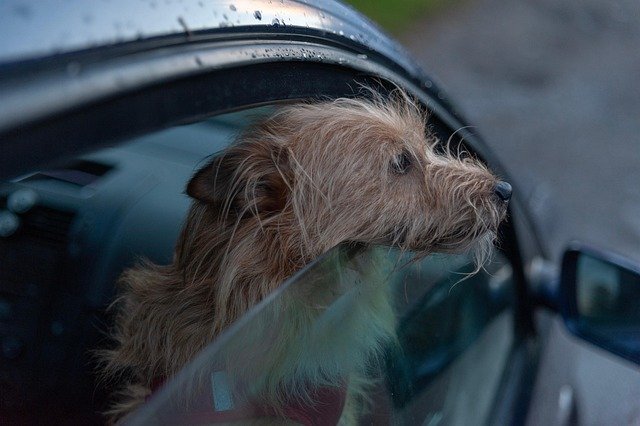
Understanding owner decision-making
Most people who leave dogs in cars do not intend harm. The issue often stems from underestimating risk, overestimating control, or relying on outdated assumptions.
Clear information helps bridge that gap. Knowing how quickly conditions change and how vulnerable dogs are encourages safer choices without judgment or fear-based messaging.
Responsible pet care includes anticipating risks that may not be obvious in the moment.
A clear takeaway for pet owners
Leaving a dog in a car, even briefly, carries real and sometimes life-threatening risks. Temperature changes, limited ventilation, and a dog’s natural inability to cool effectively combine to create a dangerous environment.
The most reliable way to protect a dog’s health and wellbeing is to avoid leaving them unattended in vehicles altogether. Thoughtful planning and awareness allow pet owners to make decisions that prioritize safety, reduce preventable harm, and reflect responsible, informed care.