
As a licensed veterinarian practicing in Texas for over a decade, I’ve cared for hundreds of neutered cats. Each cat is unique, but I’ve observed consistent patterns in behavior and health after neutering. In my experience, the transition period after neutering is crucial, and attentive care during this time can prevent complications and help your cat thrive.
Immediate Post-Surgery Care
After neutering, cats are often groggy from anesthesia. I always advise pet owners to provide a quiet, comfortable space where their cat can rest undisturbed. I recall a case last spring where a young male cat was placed near a bustling living room.
The stress caused him to try moving around too soon, and he reopened a small incision, leading to a visit back to the clinic. Ensuring a calm environment minimizes the risk of such incidents.
During the first 24 to 48 hours, monitor your cat’s incision site. Swelling or redness can indicate infection, and any discharge should prompt a call to your veterinarian. In my experience, gently touching the area to check for warmth or tenderness is sufficient—avoid excessive handling, which can aggravate the wound. Some owners make the mistake of over-cleaning, using solutions that are too harsh; warm water and a soft cloth are usually enough.
Managing Appetite and Hydration
Neutered cats can sometimes experience a temporary decrease in appetite. I often tell owners that a bit of patience is necessary. For example, one client noticed her cat wouldn’t eat his regular food for the first night.
We tried offering small amounts of soft, easily digestible food, which he gradually accepted. Hydration is equally essential—fresh water should always be accessible, and if your cat isn’t drinking enough, wet food can help.
Preventing Behavioral and Weight Issues
Neutered cats tend to have lower activity levels, which can lead to weight gain if their diet isn’t adjusted. I’ve had several clients who were surprised when their previously lean indoor cat gained a few pounds within months of surgery.
To prevent this, I recommend measuring portions rather than free-feeding and encouraging play. Even a few short sessions of interactive play a day, such as using feather wands or laser pointers, can help maintain a healthy weight and muscle tone.
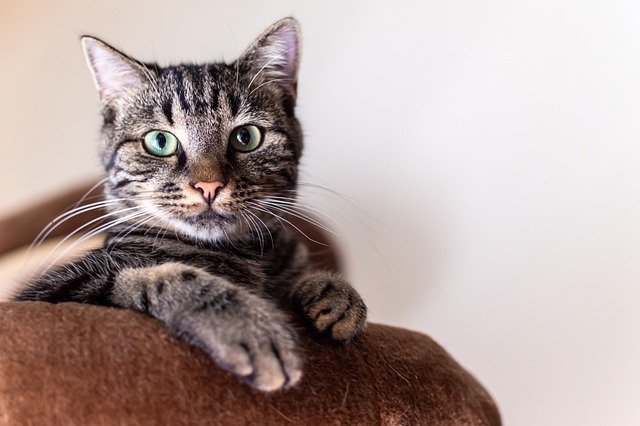
Behaviorally, neutering often reduces territorial marking and aggression. In one memorable case, a cat who had been spraying throughout the house became noticeably calmer within a few weeks of neutering. Owners should still be patient—some behavioral habits take time to fade, and creating a predictable routine helps cats adjust smoothly.
Long-Term Health Considerations
Neutered cats are less prone to specific reproductive health issues, but they are more susceptible to obesity and urinary tract problems if care isn’t adjusted. Regular veterinary check-ups are essential.
I encourage owners to closely monitor litter box habits, as changes in urination or defecation can signal health problems. One patient developed early urinary crystals after neutering, which were detected thanks to attentive observation at home.
It’s also worth mentioning vaccinations and parasite prevention. Even neutered cats need routine care for fleas and ticks, as well as vaccinations. A client once delayed these measures, thinking neutering alone would make her cat healthy, and she ended up dealing with a minor but preventable infection. Preventive care is always easier than reactive care.
Emotional Support and Bonding
Finally, neutered cats still crave attention and reassurance. I’ve found that gentle petting, talking, and short interactive sessions help them feel secure after surgery.
One shy cat I treated became noticeably more affectionate after the owner spent extra time quietly sitting with him during the recovery period. Emotional comfort can be just as important as physical care in the weeks following neutering.
Caring for a neutered cat involves careful attention to healing, diet, activity, and emotional well-being. From my years as a veterinarian, I can confidently say that these efforts pay off with a healthier, calmer, and happier feline companion.