
I have worked as a mobile dog groomer along the Gulf Coast for years, and ear hematomas are among the problems I encounter again and again. Many owners first notice it when their dog starts shaking its head so hard it slaps walls or furniture. I have seen tiny swellings turn into thick, painful ears within a weekend because nobody realized what they were looking at. Some cases still need a veterinarian fast, but there are a few things I do at home early on that can help keep the situation from getting uglier.
What an Ear Hematoma Usually Looks Like
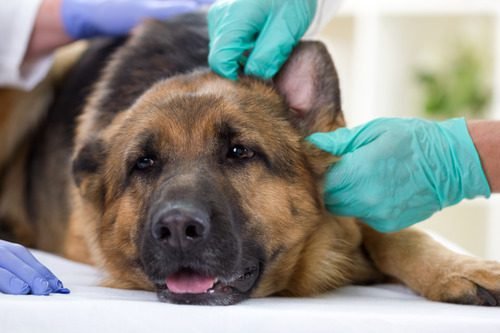
An ear hematoma is basically a pocket of blood trapped between the layers of the ear flap. Most dogs get them after repeated head shaking or aggressive scratching, often because of allergies, mites, or an ear infection hiding deeper inside the canal. The ear starts feeling warm and squishy, almost like a small water balloon under the skin. Sometimes the swelling stays near the tip, while other dogs end up with the whole flap puffed up overnight.
I noticed one in my own spaniel mix after a humid stretch during flea season. He kept shaking his head every few minutes, then one morning, the left ear looked twice as thick as the right. The swelling happened fast. Dogs with long, floppy ears seem especially prone to it because their ears whip around more during head shaking.
Most owners panic and try to squeeze the swelling down with their fingers. I would not do that. Pressing on it usually hurts the dog and rarely fixes anything because the blood pocket tends to refill unless the original irritation stops.
What I Actually Do at Home First
The first thing I focus on is stopping the scratching and shaking before the swelling gets larger. I gently clean the visible part of the ear with a soft cotton pad and a dog-friendly cleaner, then keep the ear dry for a day or two. If the dog keeps pawing at the area, I use an inflatable recovery collar because regular cones can bang against walls inside small houses. Sleep matters here.
I learned years ago that cooling the area early can help reduce swelling. I wrap a cold pack in a thin towel and hold it against the ear for about 5 minutes at a time, usually 3 or 4 times during the day. Longer sessions do not seem to help much in my experience. Dogs get restless fast, especially anxious breeds.
One grooming client asked me where I usually buy ear cleaners and recovery collars in a hurry, and I pointed her toward Chewy because they usually carry several decent options without forcing people to choose the cheapest formulas. She had a cattle dog that shredded two cones in less than a week. The inflatable style turned out to work much better for him at home.
I also try to keep the dog calm for several days. Rough play, hard running, and wrestling with other pets can make the ear swell further, as each violent headshake adds pressure beneath the skin. Some dogs improve noticeably after forty eight hours of rest and itch control. Others do not.
Cases That Should Never Stay Home
There is a point where home care stops making sense. If the ear feels extremely tight, looks dark purple, or keeps growing larger over a day or two, I tell people to get veterinary care rather than try internet tricks. I have seen owners attempt to drain ears with sewing needles at the kitchen table. That can go sideways quickly, increasing the risk of infection or permanent scarring.
One older bulldog I groomed had a hematoma nearly the size of a lemon because the family waited too long. The ear hardened into thick scar tissue after several weeks. His hearing was already poor, and the extra weight on his ear made him constantly tilt his head as he walked around the house.
Dogs with recurring hematomas often have another underlying problem. Allergies are common. Chronic yeast infections are another big one where I live because the weather stays hot and damp for much of the year. Some dogs simply produce more wax than others and need regular ear maintenance every week or two.
Why Draining It Yourself Usually Backfires
People see videos online where someone drains a hematoma, and the ear suddenly looks flat again. What those clips leave out is how often the swelling returns. Unless the blood vessels inside the ear stop leaking and the irritation settles down, the pocket can refill within hours. I have watched it happen more than once.
Cleanliness becomes another problem. Dog ears are not sterile spaces, especially in dogs that swim, roll in grass, or spend time outdoors every day. A tiny contamination inside the ear flap can create an abscess that smells awful and causes much more pain than the original hematoma.
There is also the issue of scar tissue. Repeated draining without proper healing can leave the ear wrinkled and stiff, which many people call cauliflower ear. Some dogs tolerate that fine, while others stay sensitive around the ears for the rest of their lives. A veterinarian has better tools for keeping the ear flat while it heals.
What Helps Prevent Another One Later
Prevention usually comes down to controlling whatever caused the head shaking in the first place. I check the ears at every grooming appointment, even if the owner booked only a nail trim or a bath. Early redness matters. A faint sour smell matters too.
Dogs with floppy ears often benefit from weekly checks at home under good lighting. I tell owners to lift the ear flap and look for redness, sticky debris, or black specks that resemble coffee grounds. Catching those signs early can prevent days of violent scratching later on. Tiny habits help.
Diet can play a role in some cases, especially in dogs with ongoing allergies that flare every few months. I have seen dogs improve after owners worked with their veterinarian on food sensitivities or seasonal allergy plans. It takes patience because skin and ear problems rarely disappear overnight.
I still remember a retriever from last summer whose ears stayed irritated for nearly a year before the family figured out the dog reacted badly to a common protein in his food. After the diet change and regular cleaning schedule, the head shaking dropped dramatically. The hematomas stopped too.
Most mild ear hematomas look manageable at first, and some really do resolve with rest, cold compresses, and prompt treatment of the underlying irritation. Still, I pay close attention to swelling that keeps growing or ears that feel painfully tight because those dogs usually need more than home care. The sooner the shaking stops, the better the ear tends to heal. Waiting too long often creates a bigger mess than people expect.