
I work as a mobile cat groomer and pet hygiene technician in Faisalabad, and I’ve spent years handling cats that look perfectly healthy on the outside but carry hidden intestinal parasites. Tapeworm cases are one of the most common things I get called about after owners notice odd rice-like segments near a cat’s tail or in bedding. Most people are surprised because the cats are often indoor pets with no obvious exposure to dirt or stray animals. The reality is that tapeworm infection usually starts in ways that don’t look risky at all.
How tapeworm infections usually begin
Most tapeworm cases I’ve seen in cats start with fleas, even when owners swear their home is clean. A cat doesn’t need to swallow dirt or raw meat to get infected because the cycle often begins with a flea carrying tapeworm eggs. When a cat grooms itself, it can accidentally ingest an infected flea without anyone noticing. Fleas are the main culprit.
In my work, I’ve seen households with spotless floors still dealing with tapeworm issues because a single flea can restart the entire cycle. Cats are extremely efficient groomers, and that behavior works against them here. Once the flea is swallowed, the tapeworm larva develops inside the cat’s intestines and begins maturing quietly. Owners rarely connect grooming behavior with parasite exposure until symptoms appear.
There are also cases where hunting plays a role, especially in semi-outdoor cats. Mice, small birds, or even insects can carry tapeworm larvae, and a quick bite is enough for infection. I once handled a cat that had never been outside a home, but still got infected because it caught and ate a small lizard that wandered indoors through a window gap.
How cats pick up tapeworms in everyday life
In most homes I visit, the transmission process is not dramatic. It usually happens quietly through grooming, hunting, or accidental flea ingestion during normal routines. A cat scratching behind its ear or licking its belly can unknowingly complete the parasite’s life cycle if fleas are present. I’ve seen owners treat only the cat while ignoring bedding, carpets, or other pets that carry fleas.
One customer last spring thought her indoor cat was safe because it never stepped outside the apartment, but repeated flea checks showed otherwise. The problem turned out to be stray fleas brought in through clothing and shared building corridors. During that same case, I recommended a coordinated treatment plan and routine cleaning of soft furniture. For structured veterinary guidance, I often refer clients to veterinary clinic resources that explain parasite control steps in more detail, especially when infections keep recurring despite basic cleaning efforts.
Tapeworm segments can survive long enough in the environment to keep the cycle going if fleas are not controlled properly. I’ve seen situations where a cat is treated once, but reinfection happens within weeks because the underlying flea issue was never fully addressed. This is why tapeworm control is rarely just about deworming medication alone.
Signs I notice before owners do
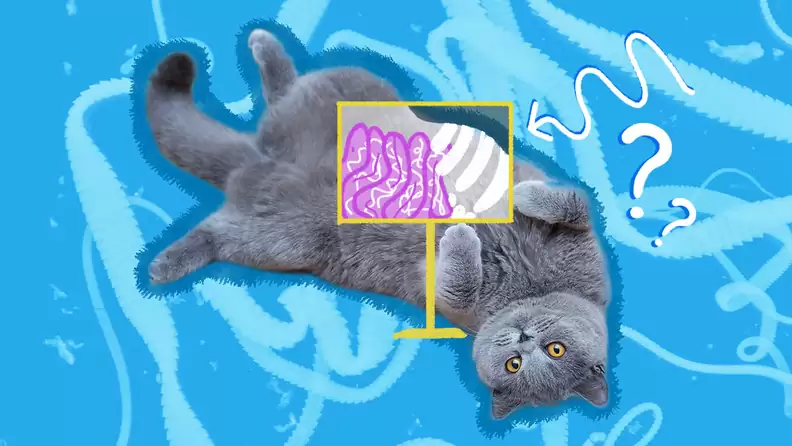
The earliest sign I usually pick up during grooming sessions is irritation around the cat’s rear end. Cats may scoot across the floor or groom the area more frequently than usual. Owners often assume it is just itching or skin dryness, but in many cases, it signals intestinal parasites. Small white segments resembling grains of rice may also appear near the tail or in sleeping areas.
Another pattern I’ve observed is subtle weight changes. Some cats maintain their appetite but still lose condition over time because the parasite interferes with nutrient absorption. In more advanced cases, cats may show mild digestive upset, though not always severe enough for owners to worry immediately. I once worked with a cat that behaved normally for weeks while shedding visible tapeworm segments onto its bedding, without showing any other obvious signs of illness.
Behavioral changes are not always reliable, but I have noticed occasional restlessness in heavily infected cats. They may groom excessively or seem mildly uncomfortable after meals. These signs are easy to miss unless someone is actively looking for parasite-related patterns during routine care or grooming checks.
Treatment approaches and prevention habits
When I handle suspected tapeworm cases, I always recommend confirming with a vet before starting treatment. Deworming medication is usually effective, but it must be matched correctly to the parasite type. In my experience, misidentification leads to repeat infections because the root cause remains untreated. Flea control is just as important as medication because, without it, the cycle continues.
Most prevention plans I suggest focus on breaking the flea life cycle in the home environment. That includes treating all pets, washing bedding in hot water, and vacuuming areas where cats rest frequently. Even small oversights, such as untreated cushions or rugs, can restart the infection process. Consistency matters more than intensity in these cases.
I’ve also seen success when owners adopt regular grooming inspections. Running a flea comb through the coat once or twice a week helps catch problems early before tapeworms develop fully. This habit is especially useful in multi-pet homes where fleas spread more easily between animals. Early detection always reduces treatment complexity.
In some stubborn environments, repeat infestations happen because the surrounding area remains untreated or because outdoor access is uncontrolled. I’ve advised several households to limit outdoor exposure during treatment phases, which significantly reduces recurrence rates. Small adjustments in routine often make a bigger difference than people expect.
Tapeworm infections in cats rarely appear out of nowhere, even though it feels that way to owners. In almost every case I’ve handled, there is a traceable path through fleas, grooming habits, or accidental hunting. Once that pattern is understood, prevention becomes much more practical and less stressful for both the cat and the owner.