
I run a small mobile dog-grooming setup and spend a lot of time with dogs who have irritated skin, patchy fur, and scratching problems. Mange comes up more often than most people think, especially in younger dogs and rescues that have been under stress for a while. I have seen owners panic the moment they notice bald spots around the ears or elbows, but mild cases can sometimes be managed at home while you keep an eye on the dog’s comfort and condition. Vinegar is one of the things I have used carefully over the years, though I never treat it like a miracle fix.
What Mange Looked Like in the Dogs I Worked With
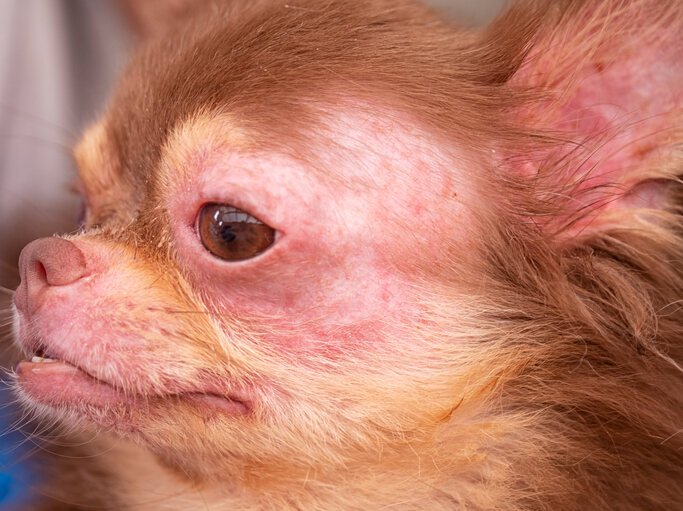
The first thing I learned was that mange does not always look dramatic at first. A dog may just scratch more than usual or start getting rough skin around the chest and legs. In several cases I handled last winter, the coat looked dusty and thin before any major hair loss showed up. Some dogs smelled different, too, almost musty, because irritated skin can trap bacteria and oil.
There are different forms of mange, and that matters. Demodectic mange often occurs in younger dogs with weakened immune systems, while sarcoptic mange spreads more aggressively and can be transmitted between animals. I never assume the type based on a single symptom. If a dog starts bleeding from a scratch or develops thick, yellow crusts, I tell owners to stop experimenting at home and seek veterinary treatment quickly.
One thing surprised me early on. Mange can mimic allergies. I once worked with a bulldog whose owner thought chicken food was the whole problem, but the skin scraping later pointed toward mites. That dog had been scratching for nearly two months before anyone checked deeper.
How I Use Vinegar Without Making the Skin Worse
I keep the vinegar use simple because damaged skin can react badly if people get too aggressive. White vinegar and apple cider vinegar are both talked about online, but I lean toward diluted apple cider vinegar for mild skin irritation because it tends to be less harsh on sensitive areas. I usually mix 1 part vinegar with 1 part warm water in a spray bottle or a bowl. Straight vinegar burns. I learned that fast.
Some owners I meet through PetMD manage information and already know the basics of cleaning irritated skin before trying home care methods. I actually think that helps, because too many people dump random oils and thick creams onto infected patches without first washing the area. Clean skin responds better to almost every treatment.
I apply the diluted vinegar mixture with a soft cloth rather than spraying it directly onto the coat. Dogs hate that sudden cold spray anyway. The trick is keeping the fur damp for a few minutes without soaking the dog down to the skin every few hours. I usually do it once daily for mild irritation, then watch closely for redness or increased scratching afterward.
There is a limit to what vinegar can do. It may help calm surface irritation and reduce odor, but it does not replace proper mite treatment in stronger cases. Some dogs improve because the skin gets cleaner and drier. Others need medicated dips or oral medication from a vet within days.
The Bath Routine That Helped the Most
Bathing mattered more than the vinegar itself in many of the dogs I handled. Dirty bedding, oily fur, and constant licking make mange harder to control. I usually recommend one gentle bath every 5 to 7 days with a mild dog shampoo that does not completely dry the skin. Human shampoo caused problems almost every time it was used.
Warm water works better than hot water. Hot water leaves many dogs itchier afterward. After the bath, I towel-dry carefully rather than rub hard, because rough drying can inflame already-damaged areas around the neck and belly. Some short-haired breeds get raw skin fast.
I remember a mixed-breed rescue dog from last spring that came into my van with thinning fur around the eyes and shoulders. The owner had been bathing him nearly every day because she thought cleanliness alone would solve the issue. His skin looked exhausted. Once the baths were reduced and the routine became gentler, the dog stopped scratching constantly within about two weeks.
Clean bedding matters too. Very few people think about it. I tell owners to wash blankets and crate pads every few days during treatment because mites and bacteria thrive in dirty fabric. Even a clean dog can get irritated again if it sleeps on the same damp blanket night after night.
Food and Stress Made a Bigger Difference Than I Expected
Some dogs dealing with mange are already run down before the skin problems appear. I noticed this a lot in puppies and dogs that had recently changed homes. Their immune systems seemed weaker, and the coat condition usually reflected that. Stress shows on dogs fast.
I do not pretend food alone cures mange, but poor nutrition absolutely drags recovery out. A decent protein source, enough water, and fish oil approved for dogs often improved coat texture within a month in the dogs I saw regularly. One older shepherd mix regained noticeable shine in his fur after the owner stopped feeding him cheap leftovers every day.
Sleep and comfort matter too. Dogs that scratch all night stay irritated longer because the skin never settles down. I sometimes suggest soft cotton shirts for dogs that obsessively chew their sides, especially during the first week of treatment. It does not cure the mites. It simply gives damaged skin a chance to rest.
Small changes help. Fast results are rare. Mange recovery usually moves in stages, and fur often comes back slower than owners expect.
Signs I Watch Before Recommending a Vet Visit
I am comfortable helping with mild irritation and basic grooming support, but I know where the line is. If a dog stops eating, smells strongly infected, or develops open sores, I stop suggesting home care immediately. Mange can spiral into secondary infections surprisingly fast, especially during humid weather.
Eyes are another warning sign. Skin irritation around the eyes can become serious quickly if discharge or swelling develops. Also, pay attention to the ears because mange sometimes overlaps with yeast infections, which make dogs shake their heads constantly.
One pit bull I worked with had skin problems that looked manageable at first. Three days later, the owner sent me photos showing thick scabs spreading across the chest and stomach. That dog needed prescription medication and antibiotics, and home remedies would have delayed proper treatment.
People sometimes keep trying vinegar longer than they should because they want a cheap fix. I understand the temptation. Vet visits are expensive. Still, if the condition keeps spreading after a week or two of careful home care, I think it makes more sense to get a proper diagnosis rather than rotate through random internet remedies.
I still keep diluted vinegar in my grooming supplies because it can help soothe mild irritation and keep problem areas cleaner between baths. Used carefully, it has its place. I just treat it like one small tool instead of the whole solution, and that mindset has probably saved a few dogs from much rougher skin problems later on.