
Insights from a Veterinarian
As a licensed veterinarian practicing in Texas for over a decade, I’ve seen more cats with cloudy eyes than I can count. Owners often rush into panic mode when they notice a sudden haze or milky appearance in their cat’s eye, wondering if it’s something that will clear up on its own. In my experience, the answer is rarely straightforward, because the cause behind the cloudiness makes all the difference.
I remember a customer last spring who brought in her six-year-old cat, Muffin. She noticed a faint bluish haze over one eye and was convinced it would disappear on its own. Upon examination, I discovered early-stage cataracts. I explained that while cataracts can sometimes develop slowly, they don’t typically reverse without intervention. In cases like Muffin’s, management focused on monitoring vision changes and addressing any underlying conditions, such as diabetes, that could accelerate the clouding.
Another situation I encountered involved a young kitten, barely six months old, with a cloudy eye that appeared overnight. The owner assumed it was a minor irritation, maybe from dust. However, the kitten had a corneal ulcer—a small but painful wound on the surface of the eye.
This condition required immediate attention and treatment with antibiotic eye drops. Within a couple of weeks of consistent care, the cloudiness diminished significantly, and the kitten’s vision returned to normal. That case highlighted how some types of eye cloudiness, especially those caused by injury or infection, can resolve with proper veterinary care.
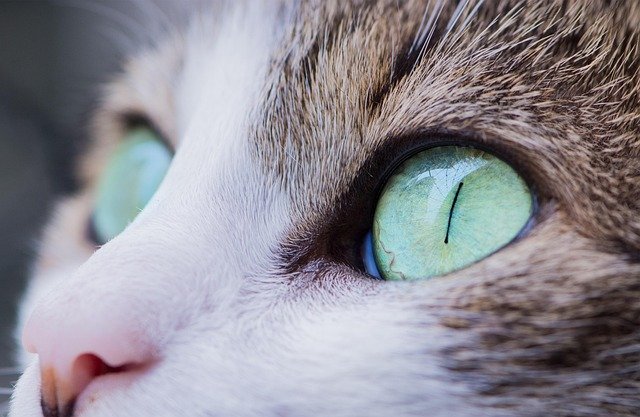
From my professional perspective, the causes of a cloudy eye in cats generally fall into a few categories:
- Corneal ulcers or scratches: Often caused by fights, accidents, or foreign particles. Cloudiness here is usually treatable if addressed promptly.
- Cataracts: Common in older cats or those with diabetes. These usually do not improve without surgical intervention.
- Uveitis: Inflammation inside the eye that can cause a milky appearance. Treatment involves anti-inflammatory medications, and timely care can prevent permanent damage.
- Glaucoma: Increased pressure inside the eye, which can lead to cloudiness and permanent vision loss if not managed promptly.
I once saw a middle-aged cat with a cloudy eye that had gone unnoticed for weeks. The cloudiness was due to glaucoma, and unfortunately, the prolonged pressure had caused irreversible damage. Situations like this underscore why I advise owners not to “wait and see.” Immediate veterinary evaluation can make the difference between reversible cloudiness and permanent vision loss.
A common mistake I see is owners attempting home remedies or over-the-counter eye drops without knowing the cause. While the impulse is understandable, this can sometimes worsen the condition, particularly if an infection or ulcer is present. In my clinic, I always emphasize accurate diagnosis before any treatment, whether that involves eye drops, oral medication, or surgery.
In summary, whether your cat’s cloudy eye will go away depends entirely on the underlying cause. Some conditions, like minor corneal injuries, can resolve with proper care. Others, such as cataracts or advanced glaucoma, typically do not reverse on their own. Observing other signs—such as redness, squinting, or discharge—can help a veterinarian determine the urgency. From my experience, early evaluation and targeted treatment are always the best paths forward to protect your cat’s vision.