
A Common Question from Cat Owners
As a licensed veterinarian practicing in Texas for over a decade, I’ve fielded countless questions from cat owners about neutering and post-surgery behavior.
One of the most common—and sometimes surprising—questions is: does a neutered cat still want to mate? From my experience, the answer is nuanced and depends on timing, individual temperament, and past experiences.
A Real-Life Example: Max’s Post-Neutering Behavior
I once had a client whose male cat, Max, had been neutered at eight months old. Max had already experienced his first heat encounter with a female neighbor cat, and his owners noticed some mounting behavior lingering months after surgery.
It wasn’t sexual desire in the traditional sense—it was more about habit and dominance behavior. Even after neutering, some cats retain behaviors that resemble mating attempts, but they usually fade over time.
How Neutering Affects Hormones and Behavior
Neutering works by removing the primary source of testosterone in males or estrogen in females, which dramatically reduces the drive to reproduce. In my practice, I’ve found that cats neutered before reaching sexual maturity rarely show persistent mating behavior.
One young male kitten I treated, neutered at five months, never attempted to mount objects or other cats—his playfulness remained intact, but there was no sexual motivation.
When Cats Are Neutered Later in Life
However, cats neutered later in life may display residual mating behaviors for a period. I remember a case last spring in which an older tomcat, Rocky, had been neutered at nearly 2 years old. Rocky continued to show rubbing, mounting, and occasional yowling around female cats for several months post-surgery.
His owners were understandably concerned, but I explained that these behaviors were not uncommon—they were essentially habits reinforced by hormonal experiences before neutering. Over time, with consistent redirection and environmental enrichment, Rocky’s behavior normalized.
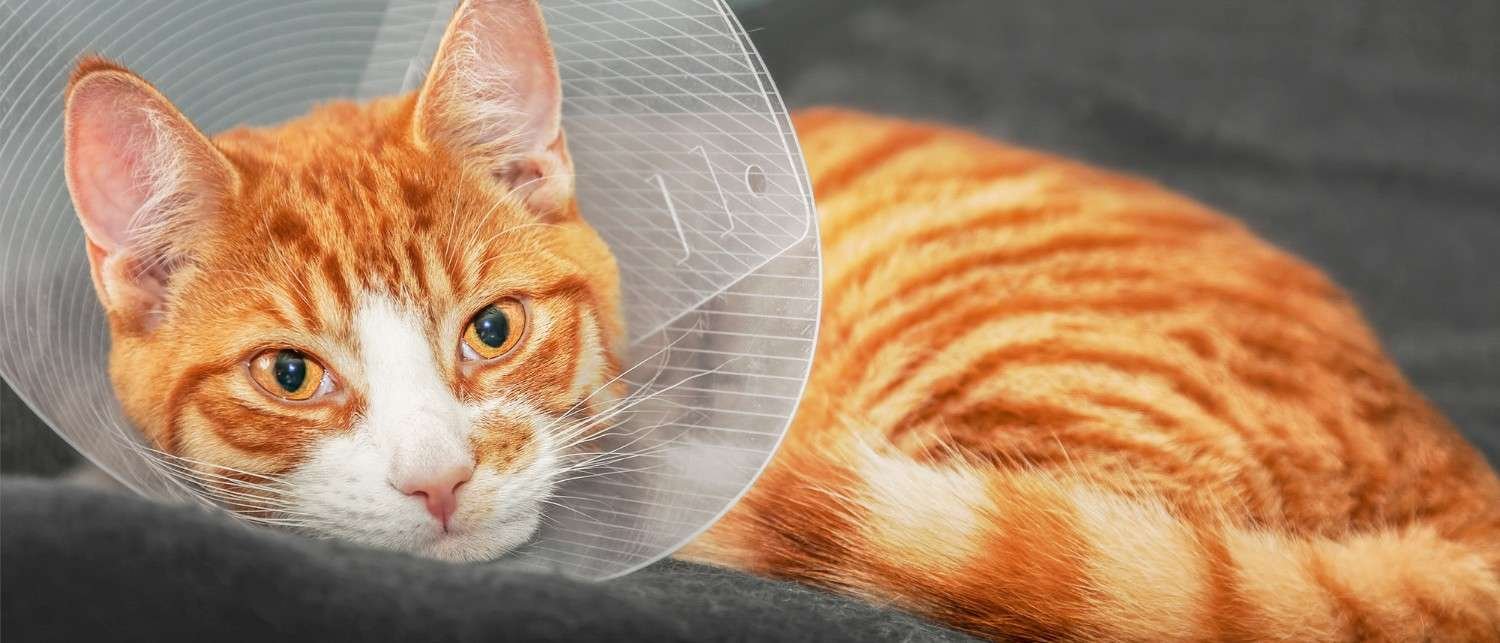
Lingering Instincts After Neutering
It’s also worth noting that neutering doesn’t erase all reproductive instincts immediately. Behavioral tendencies such as territorial marking, vocalizations, and even mounting may persist for a while, particularly in male cats. From my perspective, these behaviors are not about wanting to mate—they’re remnants of hormonal patterns combined with learned habits.
In females, spaying typically reduces yowling, restlessness, and attempts to escape to find mates, though anxiety or excitement can still trigger some attention-seeking behaviors.
Managing Post-Neutering Behavior
From my years of hands-on experience, I generally advise owners to be patient with post-neutering behaviors. Redirecting your cat’s energy toward play, interactive toys, and safe climbing spaces often reduces the urge to mount or roam.
In a few cases, particularly with older cats, I’ve recommended mild behavioral training or pheromone diffusers to help ease lingering sexual behaviors. I’ve rarely had to consider medications, and only in extreme cases where stress and frustration were significant.
Conclusion: Patience and Understanding Are Key
In conclusion, a neutered cat’s drive to mate diminishes significantly, but behavioral echoes of mating can linger, especially in cats neutered later in life. In my experience, understanding the difference between hormonal drive and learned behaviors helps owners respond appropriately, reduce frustration, and support their cat’s well-being.
Patience, structured play, and observing your cat’s unique tendencies make the biggest difference in helping them adjust to life after neutering.