
From a Practicing Small-Animal Veterinarian
I’ve spent more than a decade as a small-animal veterinarian working primarily with dogs who have chronic vomiting, diarrhea, gas, or that vague “sensitive stomach” label owners get used to using. Over the years, I’ve seen a few patterns repeat themselves, and I’ve also seen how the right food can completely change a dog that had been miserable for months.
I’m going to speak from that hands-on experience — the messes on exam room floors, the worried owners, and the dogs who perked back up once their gut finally settled — and share what I actually recommend in real life.
What “stomach problems” usually look like in real dogs
Owners rarely walk in saying, “My dog has gastrointestinal dysfunction.” They say things like:
- “He throws up yellow foam some mornings.”
- “Her stool is never quite firm.”
- “He eats grass and then vomits.”
- “She has good days and then explosive diarrhea again.”
In my experience, most of these dogs fall into one of a few buckets: food intolerance, dietary indiscretion (the trash-can raiders), true food allergies, or stress-related upset. The right food doesn’t fix everything, but it’s one of the most powerful tools I have.
Why food matters more than people expect
I’ve lost count of how many dogs stopped chronic loose stools simply because we removed one ingredient they didn’t tolerate. Often it’s chicken or beef — not because those proteins are “bad,” but because they’re familiar enough that dogs develop sensitivities.
I once treated a middle-aged Lab who had been through several medications and probiotics. We finally switched her to a hydrolyzed protein diet, and the owner called a few weeks later saying, “She’s acting like a puppy again.” That happens more than you’d think. Energy improves when the gut is no longer inflamed.
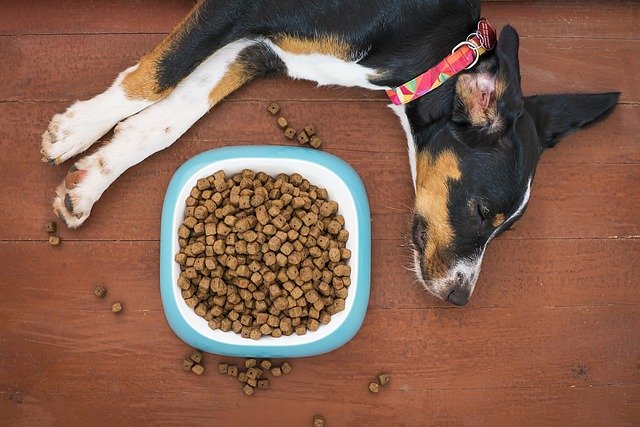
Foods I most often recommend for sensitive stomachs.
I don’t mean brands thrown randomly into a shopping cart. I’m talking about specific diet types that consistently help the dogs I see in the clinic.
1. Bland, easily digestible diets
These are usually low-fat, low-fiber, and simple.
Boiled chicken and rice are the classic temporary options owners try at home. I do still suggest it, but only short-term. Long-term, it’s not balanced and lacks key nutrients. For ongoing feeding, I lean toward veterinary therapeutic “gastrointestinal” formulas because they’re designed to be gentle on the gut and nutritionally complete.
These foods shine for dogs with vomiting after meals, a history of mild pancreatitis, or soft stools that never form.
2. Hydrolyzed protein diets
These are one of my strongest recommendations for dogs with chronic, unexplained GI issues. The proteins are broken down into tiny pieces so the immune system doesn’t recognize them as foreign.
One patient — a terrier who had alternating constipation and diarrhea for years — stopped having episodes within a month of switching. His owner had tried every over-the-counter “sensitive stomach” bag on the pet store shelf. The hydrolyzed prescription food was the first thing that truly worked.
3. Limited-ingredient diets
For dogs who don’t need hydrolyzed food but react to common proteins, limited-ingredient diets can help narrow down triggers. I like using one novel protein (such as duck or venison) and one carbohydrate source.
These diets are beneficial for dogs with itching and stomach problems. That pattern always makes me suspect a food allergy.
Foods I usually advise against for sensitive stomach dogs.
I don’t say this to be dramatic — I say it because I’ve seen the fallout over and over.
I’ve lost count of the dogs with diarrhea after sudden food switches because an owner saw something “high protein” or “grain-free” advertised online. Rapid changes alone can upset the gut.
Raw diets are another area where I am cautious. I’ve treated more than one dog for bacterial infections likely linked to raw feeding. Dogs with fragile stomachs are usually not the ones I want anywhere near raw meat diets.
Highly fatty table scraps are another trigger I see constantly. A dog I treated one winter developed pancreatitis after a holiday of shared leftovers. He recovered, but he spent days in the hospital, and his owner felt guilty for months.
Signs the food you’re feeding is the problem.
In my practice, I start seriously suspecting diet when I see patterns like these:
- Stool quality swings with food changes
- vomiting, but bloodwork looks normal
- Symptoms improve when fasting, then return with meals
- itching plus GI signs together
- worse stools after high-fat treats
Owners often think, “That’s just how my dog is.” It usually isn’t.
How I actually transition dogs to new food
One mistake I see constantly is switching foods overnight because the current diet “isn’t working.” That almost always backfires.
I transition over 7–10 days, sometimes longer for very sensitive dogs. I’ll tell owners to start with just a spoonful of the new food mixed into the old. If stools soften, we slow down rather than abandon the diet altogether. That patience pays off.
Don’t forget the treats — they ruin good plans fast.
I’ve seen beautifully chosen, carefully transitioned diets “fail” because the dog still gets:
- bits of fried snacks from the table
- high-fat training treats
- cheese as a medication bribe
I had a beagle whose diarrhea never fully resolved until we discovered a neighbor slipping him snacks through the fence. Once that stopped, so did the stomach problems. Small extras matter more than most people realize.
My general rule of thumb for owners
If your dog has ongoing stomach problems, I usually recommend this approach:
Start with your veterinarian. Rule out parasites and other medical causes first. Then try either a veterinary GI diet, hydrolyzed food, or a limited-ingredient option — but give each trial enough time to work, and don’t layer in treats that confuse the picture.
Over the years, the biggest lesson I’ve learned is that the “best food” isn’t a single brand or magic ingredient. It’s the diet your individual dog can digest comfortably, that keeps stools consistently formed, energy steady, and your dog interested in life again.
I’ve seen anxious owners visibly relax when their dog finally stops having messy accidents or waking them up at 3 a.m. Those moments are part of why I still love being a veterinarian after all these years.