
What I Watch For Every Day as a Small-Animal Veterinarian
I’ve spent many years as a small-animal veterinarian, mainly working with family dogs in a warm, dry region where summer heat sneaks up on both people and pets.
Dehydration is one of those problems owners often don’t recognize until it’s already fairly advanced. I’ve seen everything from active young herding dogs who ran themselves dry at the farm, to older lap dogs who stopped drinking because of underlying illness. The signs are rarely dramatic at first, and that’s what makes them easy to miss.
Here’s how I recognize dehydration in dogs during real-world appointments and farm-yard calls, and what I advise my own clients to watch for at home.
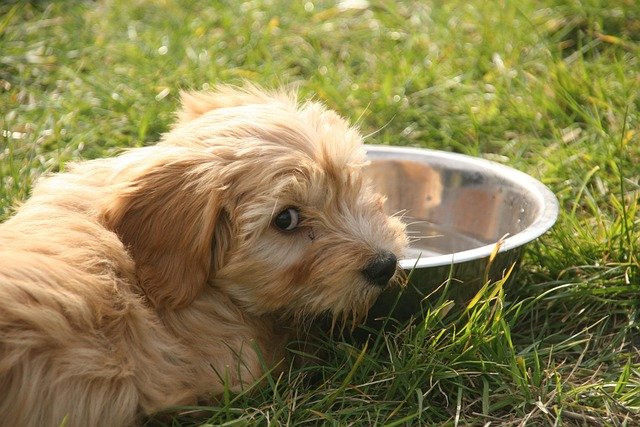
The first clue is often behavior, not a lab test.
Before any fancy diagnostics, I watch how a dog carries itself. A usually bright, nosy dog who suddenly seems dull, slower to respond, or strangely quiet often raises my suspicion right away. Dehydrated dogs frequently look “tired in the eyes.” Owners sometimes tell me, “He just isn’t himself today,” and they’re usually right.
One spring, a client brought in a young retriever who had spent the weekend swimming and chasing balls. He wasn’t vomiting or collapsing. He just kept lying down between tosses. His gums were tacky, his skin didn’t spring back normally, and he perked up almost magically after fluids. The only thing “wrong” with him was that he’d had too much fun and not enough water breaks.
If your dog is unusually lethargic after activity or heat exposure, don’t shrug it off as normal tiredness. That’s often the very first sign.
Dry, sticky gums say a lot.
Owners often check the nose, but I check the mouth.
Hydrated dogs typically have slick, moist gums. Dehydrated dogs often have gums that feel tacky, dry, or pasty. I run a finger gently along the gumline; if it almost “drags,” dehydration is on my shortlist.
I’ve had more than one situation where a worried owner focused on appetite loss, but a quick gum check told the real story. A senior terrier I saw last summer had stopped eating for a day, and the owner assumed it was “picky eating.” His gums were dry, his tongue sticky, and his skin tented when I lifted it. He wasn’t being picky; he didn’t feel well enough to drink.
If you’re comfortable doing so, lift your dog’s lip and feel the gums. They don’t need to be soaking wet, but they shouldn’t feel like damp clay.
The skin “tent” is useful, but it isn’t perfect.
You may have heard of gently lifting the skin over the shoulders and seeing how fast it snaps back. I use this test daily—but I also see people misinterpret it.
In younger, healthy dogs, the skin should return to its normal position. In dehydration, it tends to “tent” or return more slowly. That said, thin elderly dogs or certain breeds with loose skin can fool you. I’ve seen owners of older hounds panic because the skin didn’t rebound like a puppy’s, even though hydration was fine.
So I treat the skin tent as one clue, not a verdict. If you see slow rebound combined with lethargy, dry gums, or reduced urination, take it seriously.
Reduced urination or darker urine can be a quiet warning.
Another practical sign owners notice before anything else is fewer bathroom breaks. A dog that asks to urinate typically out several times a day and suddenly hasn’t urinated for many hours is sending a pretty clear message. Urine that’s darker yellow than usual can also indicate increased concentration due to fluid loss.
I still remember an active cattle dog whose owner proudly said, “He barely pees even on long trips—he’s so well-trained.” The dog wasn’t well-trained. He was chronically underhydrated. Once we corrected the issue, the “great bladder control” disappeared, and he turned into a regular stopper on car rides, which was actually a healthier change.
Panting that doesn’t match the situation.
Panting by itself is normal; dogs don’t sweat as we do. What catches my attention is panting that seems excessive for the activity or temperature, or that doesn’t improve with rest and shade. Dehydration thickens saliva and makes heat regulation harder, so dogs start chasing their tails trying to cool themselves.
You may notice ropey saliva, a drier tongue, or strings of drool that look thicker than usual. That’s often dehydration layered on top of heat stress.
Sunken eyes and loss of facial “fullness.”
In more advanced cases, I see eyes that look slightly sunken and facial features that seem sharper than usual. The tissues around the eyes lose fluid, giving that drawn look. By the time owners notice this, dehydration is usually no longer mild.
One working dog I treated after a day of trailing livestock in hot weather had that unmistakable hollow look. We moved straight to intravenous fluids because oral water alone wasn’t going to catch him up safely.
What I recommend you do right away
Here’s my straightforward advice as a practicing veterinarian: if your dog is mildly off, gums tacky, and still willing to drink, offer small, frequent amounts of water rather than a giant bowl all at once. Dogs that gulp heavily after being dry can vomit, worsening dehydration.
But some situations aren’t “watch and wait.” I urge owners to seek veterinary care promptly if they notice any of the following, alongside dehydration signs:
- vomiting or diarrhea
- refusal to drink at all
- collapse, weakness, or confusion
- very young puppies, seniors, or dogs with kidney/heart disease, looking dehydrated
Those are the cases where I’ve seen things go downhill fastest.
Common mistakes I see owners make
There are patterns I see repeatedly.
One is assuming a full water bowl means a hydrated dog. Many dogs drink less when anxious, traveling, or in pain. Another is believing that wet food alone will “cover hydration.” It helps, but it’s not a substitute for water intake. And perhaps the biggest mistake is waiting overnight “to see if it improves.” I’ve seen dogs arrive the next morning far sicker than they were the previous afternoon.
I’d rather see a dog a little early than dangerously late.
My bottom line after years in exam rooms and barnyards
Dehydration in dogs starts subtly—quieter behavior, tacky gums, darker urine—and progresses to more obvious signs like sunken eyes, persistent lethargy, and collapse. The earlier you catch it, the simpler the fix.
I’ve treated countless dogs who bounced back beautifully with timely fluids and rest. I’ve also seen a few where the delay turned a simple problem into a genuine emergency. Trust your instincts. If your dog doesn’t look right and the signs above are stacking up, don’t wait for dramatic symptoms to “prove” dehydration.
You live with your dog every day. You’ll usually notice the change before any test does.