
Why Hydration Is Critical for Sick Cats
As a licensed veterinarian practicing in Texas for over a decade, I’ve treated countless cats with illnesses that made staying hydrated a real challenge. Cats are notoriously subtle when it comes to showing discomfort, and dehydration can quickly worsen many conditions—from kidney issues to infections. I’ve seen cases where a simple drop in fluid intake escalated into a serious emergency, so keeping a sick cat hydrated is often a top priority in care.
One case that stands out involved a seven-year-old domestic shorthair I treated for early-stage kidney disease. They were barely drinking water and had started showing lethargy. Her owner had tried leaving out extra bowls, but the cat wouldn’t touch them.
I ended up using a combination of subcutaneous fluids at the clinic and minor adjustments at home, which made a massive difference in her energy levels within a few days. From this experience, I learned that hydration isn’t just about offering water—it’s about finding ways your cat will actually consume it.
Encouraging Fluid Intake at Home
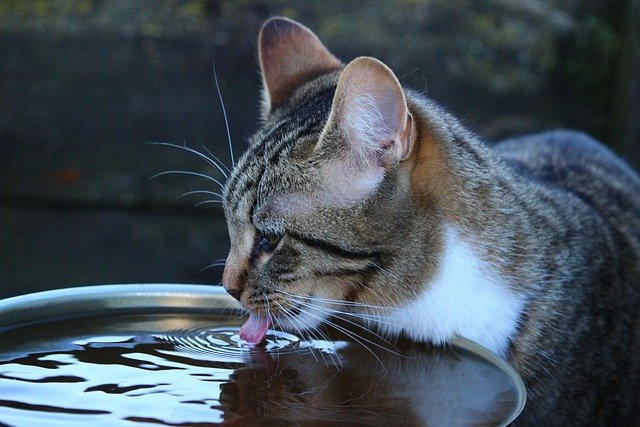
When I advise pet owners, I usually start with the basics: making water appealing and accessible. In my experience, some cats prefer running water, so a small pet fountain often encourages them to drink more.
One elderly Maine Coon I cared for barely drank from a bowl but would drink steadily from the fountain for several minutes at a time. Placing multiple water sources around the house—especially near favorite resting spots—can also help, because some sick cats are too weak to move far for a drink.
Wet food can be another lifesaver. Cats naturally get moisture from their food, so incorporating a high-moisture canned diet can significantly improve fluid intake. I once had a cat recovering from a mild urinary tract infection; simply switching to wet food and slightly warming it to release aromas made her eat and drink far more than before.
For cats who resist drinking, I sometimes add a bit of low-sodium chicken broth to encourage licking, which works surprisingly well.
When Home Methods Aren’t Enough
There are times when a sick cat won’t drink, and this is where professional intervention becomes necessary. Subcutaneous fluids—essentially small amounts of fluid administered under the skin—can be done at a veterinary clinic or, in some cases, taught to the owner at home.
I recall a customer last spring with a dehydrated senior cat; after two days of gentle subcutaneous fluid therapy combined with wet food, the cat regained strength and interest in drinking. It’s a safe and effective way to prevent serious complications, but it should always be done under veterinary guidance.
I also want to caution against forcing a cat to drink water. I’ve seen well-meaning owners hold a bowl to their cat’s mouth or use syringes in ways that stress the animal and discourage future drinking. The trick is patience and gentle encouragement—hydration should never be associated with fear or discomfort.
Monitoring Hydration and Knowing the Signs
A practical tip is knowing how to spot dehydration. Gently lifting the skin at the back of the neck—the “skin tent”—can give a quick clue: if it snaps back slowly, the cat might be dehydrated. Other signs include sunken eyes, dry gums, and lethargy. I’ve had cases where a cat seemed “fine” but showed subtle signs of dehydration, which became apparent once we closely monitored fluid intake. Early recognition allows intervention before a situation becomes urgent.
Hydration can make a profound difference in recovery and comfort. From minor illnesses to chronic conditions, ensuring your cat stays properly hydrated often speeds healing and improves overall well-being. Every cat is different, so observe their preferences, experiment gently, and consult your veterinarian when home methods fall short to avoid stress and health complications.